

 登录
登录
一、班上的英语学习小组正在开展“跨文化礼仪”主题活动,旨在提升学生的跨文化交际能力。根据中文提示,补全英文译文。(每空限填一词,缩写算一词)
1. 在中国,将筷子插进一碗米饭中是如此失礼的,以至于你应该避免这样做。
Sticking chopsticks into a bowl of rice is in China you should avoid it.
2. 在德国,人们通常喜欢更多的私人空间,虽然他们很熟悉彼此,也不与对方站得很近。
In Germany, people usually like more , and they don't stand someone though they know each other very well.
3. 在泰国,触摸别人的头是不礼貌的。
In Thailand, it's impolite .
4. 法国人认为准时或晚几分钟参加聚会是正常的。
French people think it's to be or a few minutes late for a party.
5. 在一些欧洲国家,他们经常会用亲吻脸颊的方式来打招呼。
In some European countries, they often greet with on the cheek.
1. 在中国,将筷子插进一碗米饭中是如此失礼的,以至于你应该避免这样做。
Sticking chopsticks into a bowl of rice is in China you should avoid it.
2. 在德国,人们通常喜欢更多的私人空间,虽然他们很熟悉彼此,也不与对方站得很近。
In Germany, people usually like more , and they don't stand someone though they know each other very well.
3. 在泰国,触摸别人的头是不礼貌的。
In Thailand, it's impolite .
4. 法国人认为准时或晚几分钟参加聚会是正常的。
French people think it's to be or a few minutes late for a party.
5. 在一些欧洲国家,他们经常会用亲吻脸颊的方式来打招呼。
In some European countries, they often greet with on the cheek.
答案
1. so; impolite; that
2. personal; space; close; to
3. to; touch; others'; heads
4. normal; on; time
5. a; kiss
2. personal; space; close; to
3. to; touch; others'; heads
4. normal; on; time
5. a; kiss
解析
1. 本题考查so...that...(如此……以至于……)引导的结果状语从句,“失礼的”对应形容词impolite,so后接形容词impolite,第三空填that,构成完整的结果状语从句结构。
2. 第一处“私人空间”是固定搭配personal space;第二处“站得靠近某人”用固定短语stand close to sb.,完全匹配语境含义。
3. 本题考查固定句型It's + 形容词 + to do sth.(做某事是……的),“触摸别人的头”对应表达touch others' heads,四个空依次填入即可符合结构和语义要求。
4. 第一空“正常的”对应形容词normal;第二处“准时”是固定短语on time,符合句子表达的语义逻辑。
5. 此处表达“用亲吻脸颊的方式打招呼”,两个空填入a kiss,构成正确搭配greet with a kiss on the cheek。
2. 第一处“私人空间”是固定搭配personal space;第二处“站得靠近某人”用固定短语stand close to sb.,完全匹配语境含义。
3. 本题考查固定句型It's + 形容词 + to do sth.(做某事是……的),“触摸别人的头”对应表达touch others' heads,四个空依次填入即可符合结构和语义要求。
4. 第一空“正常的”对应形容词normal;第二处“准时”是固定短语on time,符合句子表达的语义逻辑。
5. 此处表达“用亲吻脸颊的方式打招呼”,两个空填入a kiss,构成正确搭配greet with a kiss on the cheek。
二、阅读理解。
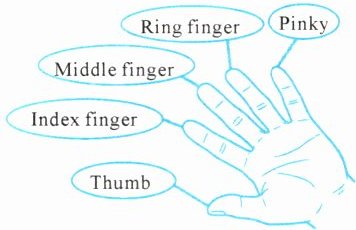
Sometimes, using hand gestures can bring more information and be more convenient than using words, especially when you are speaking to a foreigner. But the same gesture can mean something offensive(冒犯的) to a person from a different cultural background.
“V” Shape
In many countries, if you have your index and middle fingers pointed up in the “V” shape, it stands for winning. However, when you make the sign, be sure to have the front of your palm facing outward instead of inward, because showing people the back of your hand is impolite in some countries like the U. K. and Australia.
Finger Snap(打响指)
Snapping your thumb and middle finger over and over again may mean one is trying to remind someone of something forgotten. While, in Latin America, snapping them means asking one to hurry up. But one thing you should remember is that, in many cultures, snapping fingers close to someone's face is considered to be offensive.
Fingers Crossed
Crossing your index and middle fingers is a sign of wishing for good luck or fortune. At other times, people cross their fingers before telling a lie, as it is believed to counteract(抵消) the bad things coming from the lie. So it is both a positive and a negative symbol.
“ILY” Sign
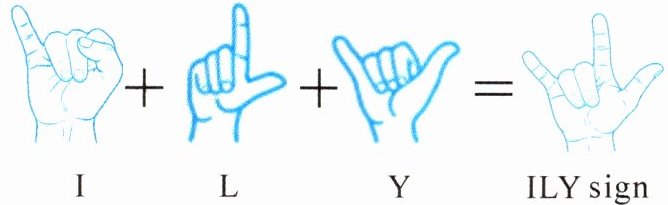
This is always a nice hand gesture from American Sign Language. It combines the letters “I” “L” and “Y” to mean “I love you”. People use this gesture very often to show their love for their family, friends and all the other people they love.
()1. What does the underlined word “them” in Paragraph 3 refer to?
A. Thumb and middle finger.
B. Thumb and index finger.
C. Thumb and pinky finger.
()2. On Mother’s Day, which hand gesture can best show love to mum?

()3. Why did the writer mention so many different hand gestures?
A. To tell the differences between American and Chinese cultures.
B. To warn people to be careful when using a hand gesture.
C. To ask people not to worry about making wrong hand gestures.
()4. What can we know from the passage?
A. “V” shape sign means reminding someone of something forgotten.
B. Crossing fingers is always considered as a positive sign.
C. Snapping fingers close to someone’s face may be impolite.
Sometimes, using hand gestures can bring more information and be more convenient than using words, especially when you are speaking to a foreigner. But the same gesture can mean something offensive(冒犯的) to a person from a different cultural background.
“V” Shape
In many countries, if you have your index and middle fingers pointed up in the “V” shape, it stands for winning. However, when you make the sign, be sure to have the front of your palm facing outward instead of inward, because showing people the back of your hand is impolite in some countries like the U. K. and Australia.
Finger Snap(打响指)
Snapping your thumb and middle finger over and over again may mean one is trying to remind someone of something forgotten. While, in Latin America, snapping them means asking one to hurry up. But one thing you should remember is that, in many cultures, snapping fingers close to someone's face is considered to be offensive.
Fingers Crossed
Crossing your index and middle fingers is a sign of wishing for good luck or fortune. At other times, people cross their fingers before telling a lie, as it is believed to counteract(抵消) the bad things coming from the lie. So it is both a positive and a negative symbol.
“ILY” Sign
This is always a nice hand gesture from American Sign Language. It combines the letters “I” “L” and “Y” to mean “I love you”. People use this gesture very often to show their love for their family, friends and all the other people they love.
()1. What does the underlined word “them” in Paragraph 3 refer to?
A. Thumb and middle finger.
B. Thumb and index finger.
C. Thumb and pinky finger.
()2. On Mother’s Day, which hand gesture can best show love to mum?
()3. Why did the writer mention so many different hand gestures?
A. To tell the differences between American and Chinese cultures.
B. To warn people to be careful when using a hand gesture.
C. To ask people not to worry about making wrong hand gestures.
()4. What can we know from the passage?
A. “V” shape sign means reminding someone of something forgotten.
B. Crossing fingers is always considered as a positive sign.
C. Snapping fingers close to someone’s face may be impolite.
答案
1.A 2.B 3.B 4.C
解析
1. 第1题:定位到第三段Finger Snap部分的第一句“Snapping your thumb and middle finger over and over again may mean one is trying to remind someone of something forgotten.”,代词them指代前文提到的拇指和中指,对应选项A。
2. 第2题:定位到最后一段“ILY” Sign部分,该手势组合了字母I、L、Y,含义是“I love you”,是用来向所爱之人表达爱意的手势,对应选项B的图示,A是交叉手指的祈好运手势,C是V形手势,都不符合题意。
3. 第3题:文章开篇就点明相同的手势在不同文化背景下可能带有冒犯含义,后文介绍不同手势的不同文化含义,目的是提醒大家使用手势时要多加留意,避免冒犯他人。文中没有提及中美文化差异,也没有表达“不用担心做错手势”的含义,因此选B。
4. 第4题:逐一核对选项:A选项V形手势代表胜利,不是提醒他人遗忘的事,表述错误;B选项交叉手指既有祈好运的积极含义,也有撒谎时抵消坏影响的消极含义,并非一直是积极符号,表述错误;C选项第三段最后一句说明在很多文化中,在人脸附近打响指是冒犯性的,也就是不礼貌的,表述正确。
2. 第2题:定位到最后一段“ILY” Sign部分,该手势组合了字母I、L、Y,含义是“I love you”,是用来向所爱之人表达爱意的手势,对应选项B的图示,A是交叉手指的祈好运手势,C是V形手势,都不符合题意。
3. 第3题:文章开篇就点明相同的手势在不同文化背景下可能带有冒犯含义,后文介绍不同手势的不同文化含义,目的是提醒大家使用手势时要多加留意,避免冒犯他人。文中没有提及中美文化差异,也没有表达“不用担心做错手势”的含义,因此选B。
4. 第4题:逐一核对选项:A选项V形手势代表胜利,不是提醒他人遗忘的事,表述错误;B选项交叉手指既有祈好运的积极含义,也有撒谎时抵消坏影响的消极含义,并非一直是积极符号,表述错误;C选项第三段最后一句说明在很多文化中,在人脸附近打响指是冒犯性的,也就是不礼貌的,表述正确。
