

 登录
登录
Ⅳ.词与短语填空。(有两个多余选项)
store/modern/came from/added/spend/ice/ready
The history of food is never simple. Think of ice cream. Many people see it as a Western dessert(甜点). However, this sweet treat actually 1.
store/modern/came from/added/spend/ice/ready
The history of food is never simple. Think of ice cream. Many people see it as a Western dessert(甜点). However, this sweet treat actually 1.
came from
China! In the Zhou Dynasty, Chinese people began to 2. store
winter ice to enjoy themselves in summer. In the Song Dynasty, people started to make binglao—it just means "ice cream" in English. It was a lot like 3. modern
ice cream. Folk tales(民间传说) record that Emperor Huizong suffered from stomach pains(胃疼) after eating too much 4. ice
. In the Yuan Dynasty, Marco Polo tasted binglao and brought the idea all the way back to Europe. People there 5. added
heavy cream and new tastes. The rest is history!答案
1. came from 2. store 3. modern 4. ice 5. added
解析
【分析】
首先通读全文,明确文章围绕冰淇淋的历史展开,需结合语境和所给词汇的含义逐一匹配空格。第1空由转折逻辑可知需表“来自”的短语;第2空需表“储存”的动词;第3空需形容词修饰冰淇淋;第4空需名词对应导致胃疼的事物;第5空需表“添加”的动词,结合剩余词汇筛选即可。
【解析】
1. 前文提到很多人认为冰淇淋是西方甜点,转折后说明它实际来自中国,故填came from;
2. 周朝人储存冬天的冰供夏天享用,store有“储存”之意,符合语境,故填store;
3. 宋代的冰酪类似现代的冰淇淋,modern(现代的)符合语义,故填modern;
4. 民间传说记载徽宗吃太多冰后胃疼,ice符合语境,故填ice;
5. 欧洲人将冰淇淋的想法带回欧洲后,添加了浓奶油和新口味,added符合逻辑,故填added。
【答案】
1. came from 2. store 3. modern 4. ice 5. added
【知识点】
词汇辨析、语境理解
【点评】
本题为语境型选词填空,围绕冰淇淋的历史展开,需结合文章内容和所给词汇的含义逐一匹配空格,难度适中,读懂文意即可正确作答。
【难度系数】
0.5
首先通读全文,明确文章围绕冰淇淋的历史展开,需结合语境和所给词汇的含义逐一匹配空格。第1空由转折逻辑可知需表“来自”的短语;第2空需表“储存”的动词;第3空需形容词修饰冰淇淋;第4空需名词对应导致胃疼的事物;第5空需表“添加”的动词,结合剩余词汇筛选即可。
【解析】
1. 前文提到很多人认为冰淇淋是西方甜点,转折后说明它实际来自中国,故填came from;
2. 周朝人储存冬天的冰供夏天享用,store有“储存”之意,符合语境,故填store;
3. 宋代的冰酪类似现代的冰淇淋,modern(现代的)符合语义,故填modern;
4. 民间传说记载徽宗吃太多冰后胃疼,ice符合语境,故填ice;
5. 欧洲人将冰淇淋的想法带回欧洲后,添加了浓奶油和新口味,added符合逻辑,故填added。
【答案】
1. came from 2. store 3. modern 4. ice 5. added
【知识点】
词汇辨析、语境理解
【点评】
本题为语境型选词填空,围绕冰淇淋的历史展开,需结合文章内容和所给词汇的含义逐一匹配空格,难度适中,读懂文意即可正确作答。
【难度系数】
0.5
Ⅴ.综合填空。
Shaomai, a traditional Chinese food, is loved by many people. Shaomai
1.
2.
about it.
Once two brothers sold baozi in their shop, but 3.
wife took over the shop. And the younger brother became 4.
kind of baozi 5.
baozi and an open top. They called it shaomai(捎卖) because it was “sold on the side” at first.
Later, the first character in the name was changed, but 7.
Today, shaomai becomes popular across China. The ways 8.
the same. It is usually made with a thin wrapper. Pork, chicken, beef and many other 9.
(ingredient) are used in the fillings. 10.
shaomai. People in the south sometimes make it with shrimp or crab roe. People in the north use
more onion and ginger. Do you love eating shaomai?
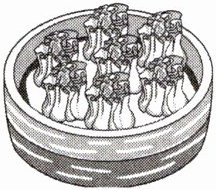
Shaomai, a traditional Chinese food, is loved by many people. Shaomai
1.
started
(start) in the city of Hohhot in the 17th century. Some old records show2.
serving
(serve) shaomai was common to see in tea houses. There is also a storyabout it.
Once two brothers sold baozi in their shop, but 3.
later
(late) the elder brother and hiswife took over the shop. And the younger brother became 4.
a
waiter. He created a newkind of baozi 5.
to make
(make) his own money. It had a 6. thinner
(thin) wrapper(皮) thanbaozi and an open top. They called it shaomai(捎卖) because it was “sold on the side” at first.
Later, the first character in the name was changed, but 7.
its
(it) sound was kept.Today, shaomai becomes popular across China. The ways 8.
of
making it are almostthe same. It is usually made with a thin wrapper. Pork, chicken, beef and many other 9.
ingredients
(ingredient) are used in the fillings. 10.
However
, different parts of China have different styles ofshaomai. People in the south sometimes make it with shrimp or crab roe. People in the north use
more onion and ginger. Do you love eating shaomai?
答案
1. started 2. serving 3. later 4. a 5. to make 6. thinner 7. its 8. of 9. ingredients 10. However
解析
【分析】
本题为英语综合填空题,需结合语境、语法规则及固定搭配逐一分析每个空:
1. 第1空:时间状语“in the 17th century”表过去,谓语动词用一般过去时,故填start的过去式started;
2. 第2空:show后接宾语从句,从句中作主语需用动名词形式,故填serve的动名词serving;
3. 第3空:此处需副词表“后来”,故填later;
4. 第4空:泛指“一名服务员”,waiter是可数名词单数,且以辅音音素开头,用不定冠词a;
5. 第5空:此处表目的,用不定式作目的状语,故填to make;
6. 第6空:由than可知用形容词比较级,thin的比较级是thinner;
7. 第7空:修饰名词sound,用形容词性物主代词,it的形容词性物主代词是its;
8. 第8空:固定搭配the way of doing sth(做某事的方式),故填of;
9. 第9空:many other后接可数名词复数,ingredient的复数是ingredients;
10. 第10空:前后句为转折关系,且有逗号隔开,故填However。
【解析】
1. 第1空:根据时间状语“in the 17th century”,句子用一般过去时,start的过去式为started;
2. 第2空:宾语从句中缺少主语,动名词可作主语,serve的动名词形式为serving;
3. 第3空:此处需副词表示时间上的“后来”,later符合语境;
4. 第4空:泛指“一名服务员”,用不定冠词a,waiter以辅音音素开头,故用a;
5. 第5空:此处表目的,用不定式to make作目的状语;
6. 第6空:由比较级标志词than可知,用thin的比较级thinner;
7. 第7空:修饰名词sound,用形容词性物主代词its;
8. 第8空:固定搭配the way of doing sth,故填of;
9. 第9空:many other后接可数名词复数,ingredient的复数为ingredients;
10. 第10空:前后句为转折关系,且有逗号隔开,用However。
【答案】
1. started 2. serving 3. later 4. a 5. to make 6. thinner 7. its 8. of 9. ingredients 10. However
【知识点】
一般过去时;动名词作主语;形容词比较级;固定搭配;物主代词
【点评】
本题考查英语基础语法与词汇的综合运用,结合语境和常见语法规则即可解答,难度适中,注重基础知识的掌握。
【难度系数】
0.6
本题为英语综合填空题,需结合语境、语法规则及固定搭配逐一分析每个空:
1. 第1空:时间状语“in the 17th century”表过去,谓语动词用一般过去时,故填start的过去式started;
2. 第2空:show后接宾语从句,从句中作主语需用动名词形式,故填serve的动名词serving;
3. 第3空:此处需副词表“后来”,故填later;
4. 第4空:泛指“一名服务员”,waiter是可数名词单数,且以辅音音素开头,用不定冠词a;
5. 第5空:此处表目的,用不定式作目的状语,故填to make;
6. 第6空:由than可知用形容词比较级,thin的比较级是thinner;
7. 第7空:修饰名词sound,用形容词性物主代词,it的形容词性物主代词是its;
8. 第8空:固定搭配the way of doing sth(做某事的方式),故填of;
9. 第9空:many other后接可数名词复数,ingredient的复数是ingredients;
10. 第10空:前后句为转折关系,且有逗号隔开,故填However。
【解析】
1. 第1空:根据时间状语“in the 17th century”,句子用一般过去时,start的过去式为started;
2. 第2空:宾语从句中缺少主语,动名词可作主语,serve的动名词形式为serving;
3. 第3空:此处需副词表示时间上的“后来”,later符合语境;
4. 第4空:泛指“一名服务员”,用不定冠词a,waiter以辅音音素开头,故用a;
5. 第5空:此处表目的,用不定式to make作目的状语;
6. 第6空:由比较级标志词than可知,用thin的比较级thinner;
7. 第7空:修饰名词sound,用形容词性物主代词its;
8. 第8空:固定搭配the way of doing sth,故填of;
9. 第9空:many other后接可数名词复数,ingredient的复数为ingredients;
10. 第10空:前后句为转折关系,且有逗号隔开,用However。
【答案】
1. started 2. serving 3. later 4. a 5. to make 6. thinner 7. its 8. of 9. ingredients 10. However
【知识点】
一般过去时;动名词作主语;形容词比较级;固定搭配;物主代词
【点评】
本题考查英语基础语法与词汇的综合运用,结合语境和常见语法规则即可解答,难度适中,注重基础知识的掌握。
【难度系数】
0.6
