

 登录
B
Like people, animals need to rest after working hard. Some animals sleep in water. Others dig holes under the ground. Some even sleep high in trees or under leaves. But they all find a way to rest.
Some animals in the sea sleep in strange ways. Fish sleep with their eyes open. They seem to look ahead far into the sea when they rest. Sea otters sometimes sleep in beds of the plants that grow in the sea. This keeps them from moving away. Parrotfish blow something from their mouth when they are ready to sleep. Then there's a bubble around them. The bubble protects them when they sleep.
Some animals sleep under the ground. Chipmunks sleep curled up(蜷缩) in a ball. Their beds are made of leaves and grass. In winter, they sleep for two weeks and wake up to eat the stored(储存的) food. Then they go back to sleep for another two weeks before waking up again. Some desert frogs dig underground holes during the hot and dry season. A frog may stay in its hole for months.
High above the ground, monkeys find leafy places in trees each evening before they sleep. The tall trees help to keep monkeys safe during the night. Some insects even sleep under the leaf that will be their next meal. A bee may climb down into a flower to rest. When it climbs out the next morning, it is also ready for work.
(
A. Sea otters.
B. Monkeys.
C. Desert frogs.
D. Parrotfish.
(
A. They rest with their eyes open.
B. They never sleep curled up in a ball.
C. They wake up about every 2 weeks in winter.
D. They don't eat any food during the whole winter.
(
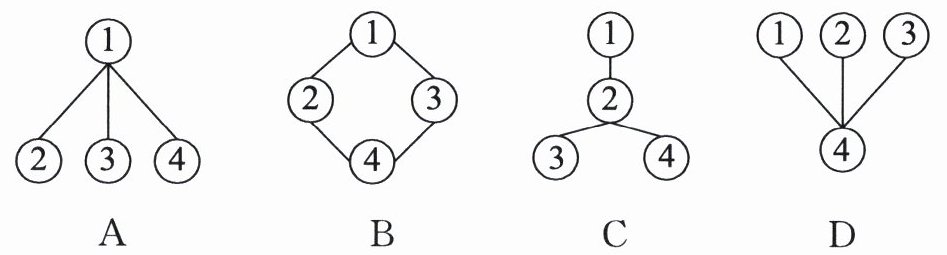
(
A. Forests where monkeys can sleep safely.
B. The animals that sleep above the ground.
C. The ways that keep animals away from danger.
D. The reason why bees climb down into flowers.
Like people, animals need to rest after working hard. Some animals sleep in water. Others dig holes under the ground. Some even sleep high in trees or under leaves. But they all find a way to rest.
Some animals in the sea sleep in strange ways. Fish sleep with their eyes open. They seem to look ahead far into the sea when they rest. Sea otters sometimes sleep in beds of the plants that grow in the sea. This keeps them from moving away. Parrotfish blow something from their mouth when they are ready to sleep. Then there's a bubble around them. The bubble protects them when they sleep.
Some animals sleep under the ground. Chipmunks sleep curled up(蜷缩) in a ball. Their beds are made of leaves and grass. In winter, they sleep for two weeks and wake up to eat the stored(储存的) food. Then they go back to sleep for another two weeks before waking up again. Some desert frogs dig underground holes during the hot and dry season. A frog may stay in its hole for months.
High above the ground, monkeys find leafy places in trees each evening before they sleep. The tall trees help to keep monkeys safe during the night. Some insects even sleep under the leaf that will be their next meal. A bee may climb down into a flower to rest. When it climbs out the next morning, it is also ready for work.
(
D
)24. What animals blow bubbles when they sleep?A. Sea otters.
B. Monkeys.
C. Desert frogs.
D. Parrotfish.
(
C
)25. What do we know about chipmunks according to the text?A. They rest with their eyes open.
B. They never sleep curled up in a ball.
C. They wake up about every 2 weeks in winter.
D. They don't eat any food during the whole winter.
(
A
)26. What is the structure of the text?(
B
)27. What does the last paragraph mainly talk about?A. Forests where monkeys can sleep safely.
B. The animals that sleep above the ground.
C. The ways that keep animals away from danger.
D. The reason why bees climb down into flowers.
答案
24. D
25. C
26. A
27. B
解析
【分析】首先,针对阅读理解题,需根据题目类型定位原文内容:24题是细节理解题,需查找“睡觉时吹泡泡”的动物,定位第二段;25题是细节理解题,需提取花栗鼠的相关信息,定位第三段;26题是文章结构题,需梳理全文段落逻辑;27题是段落主旨题,需分析最后一段的核心内容。
【解析】
24题:根据第二段“Parrotfish blow something from their mouth when they are ready to sleep. Then there's a bubble around them.”可知,鹦嘴鱼睡觉时会吹泡泡,对应选项D,故选D。
25题:根据第三段“In winter, they sleep for two weeks and wake up to eat the stored food. Then they go back to sleep for another two weeks before waking up again.”可知,花栗鼠在冬天大约每两周醒一次,对应选项C,故选C。
26题:全文为总-分结构:第一段总述动物有不同的休息方式;第二段介绍水里动物的睡眠方式,第三段介绍地下动物的睡眠方式,第四段介绍地面以上动物的睡眠方式,对应选项A的结构(总起1,分三个分支),故选A。
27题:最后一段主要讲述猴子、昆虫、蜜蜂等在地面以上的动物的睡眠方式,对应选项B,故选B。
【答案】24.D 25.C 26.A 27.B
【知识点】阅读理解、细节理解、文章结构
【点评】本文围绕动物睡眠方式展开,考查学生提取细节信息、分析文章结构和概括段落主旨的能力,题目难度适中,学生可通过定位原文快速解答。
【难度系数】0.6
