

 登录
登录
三、语篇填空
阅读短文,在空白处填入一个适当的单词或用括号内所给词的正确形式填空,使短文通顺、连贯。
Hot pot is very popular in China. People put a pot in the middle of the dining
table. And while the water in the pot is boiling, 1.
put into it and cooked on the table. Hot pot dishes are usually thinly sliced
2.
Many Chinese people like 3.
Liu Yang went to university in England. Three days ago, he arrived there. He
had three days of 4.
5.
hotpot to welcome the new students.
He went into the room and sat next to an English girl. To 6.
When she saw Liu Yang was very 7.
him that hotpot is NOT hot pot. China has hot pot in two words but English hotpot is
written in one word.
Hotpot is made from meat, potatoes and 8.
the oven all day in a heavy pot and on a low 9.
cook.
Hotpot 10.
阅读短文,在空白处填入一个适当的单词或用括号内所给词的正确形式填空,使短文通顺、连贯。
Hot pot is very popular in China. People put a pot in the middle of the dining
table. And while the water in the pot is boiling, 1.
ingredients
areput into it and cooked on the table. Hot pot dishes are usually thinly sliced
2.
beef
, pork, chicken, lamb, leaf vegetables, tofu and seafood.Many Chinese people like 3.
eating/to eat
hot pot. Liu Yang is one of them.Liu Yang went to university in England. Three days ago, he arrived there. He
had three days of 4.
hamburgers
, sandwiches and potatoes. Yesterday he5.
was
very excited when he heard that there was going to be a meal ofhotpot to welcome the new students.
He went into the room and sat next to an English girl. To 6.
his
surprise, he saw potatoes and bread in front of him. Where was the hot pot?When she saw Liu Yang was very 7.
surprised
, the English girl toldhim that hotpot is NOT hot pot. China has hot pot in two words but English hotpot is
written in one word.
Hotpot is made from meat, potatoes and 8.
onions
. People put them inthe oven all day in a heavy pot and on a low 9.
heat
. It is easy tocook.
Hotpot 10.
tastes
fine. But Liu Yang still misses hot pot, two words!答案
1. ingredients 2. beef 3. eating/to eat
4. hamburgers 5. was 6. his 7. surprised
8. onions 9. heat 10. tastes
4. hamburgers 5. was 6. his 7. surprised
8. onions 9. heat 10. tastes
解析
【分析】
先通读短文,理解核心内容是区分中国火锅和英国的hotpot。再结合上下文语境、固定搭配、语法规则逐个分析每个空:
1. 第1空:火锅煮沸后放入的是食材,且be动词为are,需用名词复数;
2. 第2空:列举火锅食材,结合后续肉类列举,填合适的肉类名词;
3. 第3空:考查like的固定搭配,后接动名词或不定式;
4. 第4空:与三明治、土豆并列的食物,需填复数食物名词;
5. 第5空:描述过去的感受,用一般过去时的be动词;
6. 第6空:固定短语to one's surprise,结合主语he用形容词性物主代词;
7. 第7空:修饰人表示“惊讶的”,用形容词;
8. 第8空:结合常识,英国hotpot的成分需填合适的食材名词;
9. 第9空:固定短语on a low heat;
10. 第10空:主语hotpot为单数,一般现在时谓语用第三人称单数形式。
【解析】
1. 第1空:根据语境,火锅中放入的是各类食材,对应名词复数ingredients;
2. 第2空:结合上下文列举的肉类,填beef(牛肉);
3. 第3空:固定搭配like doing/to do sth,填eating或to eat;
4. 第4空:与sandwiches、potatoes并列的食物,填hamburgers(汉堡,复数);
5. 第5空:时态为一般过去时,主语是he,be动词用was;
6. 第6空:固定短语to his surprise(令他惊讶的是),填his;
7. 第7空:修饰人表示“惊讶的”,用形容词surprised;
8. 第8空:结合英国hotpot的常见成分,填onions(洋葱,复数);
9. 第9空:固定短语on a low heat(低火),填heat;
10. 第10空:主语hotpot是单数,一般现在时谓语用第三人称单数tastes。
【答案】
1. ingredients 2. beef 3. eating/to eat 4. hamburgers 5. was 6. his 7. surprised 8. onions 9. heat 10. tastes
【知识点】
词汇运用、固定搭配、语法(时态/形容词)
【点评】
本题为语篇填空,考查学生对词汇、固定搭配及语法的综合运用能力,需结合上下文语境和常识解题,难度适中,适合初中阶段学生巩固基础。
【难度系数】
0.6
先通读短文,理解核心内容是区分中国火锅和英国的hotpot。再结合上下文语境、固定搭配、语法规则逐个分析每个空:
1. 第1空:火锅煮沸后放入的是食材,且be动词为are,需用名词复数;
2. 第2空:列举火锅食材,结合后续肉类列举,填合适的肉类名词;
3. 第3空:考查like的固定搭配,后接动名词或不定式;
4. 第4空:与三明治、土豆并列的食物,需填复数食物名词;
5. 第5空:描述过去的感受,用一般过去时的be动词;
6. 第6空:固定短语to one's surprise,结合主语he用形容词性物主代词;
7. 第7空:修饰人表示“惊讶的”,用形容词;
8. 第8空:结合常识,英国hotpot的成分需填合适的食材名词;
9. 第9空:固定短语on a low heat;
10. 第10空:主语hotpot为单数,一般现在时谓语用第三人称单数形式。
【解析】
1. 第1空:根据语境,火锅中放入的是各类食材,对应名词复数ingredients;
2. 第2空:结合上下文列举的肉类,填beef(牛肉);
3. 第3空:固定搭配like doing/to do sth,填eating或to eat;
4. 第4空:与sandwiches、potatoes并列的食物,填hamburgers(汉堡,复数);
5. 第5空:时态为一般过去时,主语是he,be动词用was;
6. 第6空:固定短语to his surprise(令他惊讶的是),填his;
7. 第7空:修饰人表示“惊讶的”,用形容词surprised;
8. 第8空:结合英国hotpot的常见成分,填onions(洋葱,复数);
9. 第9空:固定短语on a low heat(低火),填heat;
10. 第10空:主语hotpot是单数,一般现在时谓语用第三人称单数tastes。
【答案】
1. ingredients 2. beef 3. eating/to eat 4. hamburgers 5. was 6. his 7. surprised 8. onions 9. heat 10. tastes
【知识点】
词汇运用、固定搭配、语法(时态/形容词)
【点评】
本题为语篇填空,考查学生对词汇、固定搭配及语法的综合运用能力,需结合上下文语境和常识解题,难度适中,适合初中阶段学生巩固基础。
【难度系数】
0.6
四、阅读与表达
阅读下面的材料,根据内容回答问题。
China is famous for its delicious food. Especially during
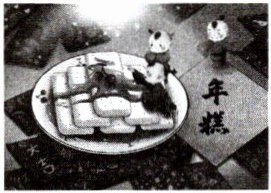
festivals, there are different traditional foods. Among them is
nian'gao.
Nian'gao is a kind of Chinese New Year's rice cake. It is very popular during
the Spring Festival.
The pronunciation of nian'gao sounds like "year" and "high". It means
higher income, better jobs, higher marks, the growth of children and
generally the promise of a better year.
Nian'gao is usually made from glutinous rice flour, wheat starch, salt, water and sugar. The tastes can be divided into two main kinds: sweet
nian'gao in northern China, while sweet or salty nian'gao in the south. Salty and
sweet tastes are both fantastic. In Jiangsu and Zhejiang Provinces, people can put
different things inside nian'gao, such as flower sugar, oil and sweet red beans.
People cook nian'gao in many different ways. The ways to make nian'gao
include braise, stir-fry, deep-fry, and so on. Stir-fried nian'gao with
sugar is quite popular.
Stir-fried nian'gao with shepherd's purse is also very delicious. Nian'gao
in chicken soup appears in a lot of families on Chinese New Year's Eve.
People like to eat nian'gao, because it's not only delicious but also meaningful.
Do you want to learn to cook it or just want to eat it?
1. When do people usually eat nian'gao?
2. What does nian'gao mean?
3. Do you like to eat nian'gao? Why or why not? Write at least 20 words.
阅读下面的材料,根据内容回答问题。
China is famous for its delicious food. Especially during
festivals, there are different traditional foods. Among them is
nian'gao.
Nian'gao is a kind of Chinese New Year's rice cake. It is very popular during
the Spring Festival.
The pronunciation of nian'gao sounds like "year" and "high". It means
higher income, better jobs, higher marks, the growth of children and
generally the promise of a better year.
Nian'gao is usually made from glutinous rice flour, wheat starch, salt, water and sugar. The tastes can be divided into two main kinds: sweet
nian'gao in northern China, while sweet or salty nian'gao in the south. Salty and
sweet tastes are both fantastic. In Jiangsu and Zhejiang Provinces, people can put
different things inside nian'gao, such as flower sugar, oil and sweet red beans.
People cook nian'gao in many different ways. The ways to make nian'gao
include braise, stir-fry, deep-fry, and so on. Stir-fried nian'gao with
sugar is quite popular.
Stir-fried nian'gao with shepherd's purse is also very delicious. Nian'gao
in chicken soup appears in a lot of families on Chinese New Year's Eve.
People like to eat nian'gao, because it's not only delicious but also meaningful.
Do you want to learn to cook it or just want to eat it?
1. When do people usually eat nian'gao?
During the Spring Festival/Chinese New
Year.
Year.
2. What does nian'gao mean?
It means higher income, better jobs,
higher marks, the growth of children and
generally the promise of a better year.
higher marks, the growth of children and
generally the promise of a better year.
3. Do you like to eat nian'gao? Why or why not? Write at least 20 words.
Yes, I do. Because it's a kind of Chinese
traditional food and I like to eat the food
made from glutinous rice flour.(开放性
试题,答案不唯一)
traditional food and I like to eat the food
made from glutinous rice flour.(开放性
试题,答案不唯一)
答案
1. During the Spring Festival/Chinese New
Year.
2. It means higher income, better jobs,
higher marks, the growth of children and
generally the promise of a better year.
3. Yes, I do. Because it's a kind of Chinese
traditional food and I like to eat the food
made from glutinous rice flour.(开放性
试题,答案不唯一)
Year.
2. It means higher income, better jobs,
higher marks, the growth of children and
generally the promise of a better year.
3. Yes, I do. Because it's a kind of Chinese
traditional food and I like to eat the food
made from glutinous rice flour.(开放性
试题,答案不唯一)
解析
【分析】
本题为英语阅读理解题,需根据短文内容逐一解答问题:第1题是细节查找题,需定位文中提到吃年糕的时间;第2题是细节理解题,直接提取文中关于年糕含义的表述;第3题是开放性试题,结合短文内容和自身情况组织语言,满足字数要求即可。
【解析】
1. 定位短文第二段关键句“It is very popular during the Spring Festival.”,可知人们通常在春节吃年糕。
2. 短文第三段明确说明年糕的含义:“It means higher income, better jobs, higher marks, the growth of children and generally the promise of a better year.”,直接提取该句内容即可。
3. 开放性问题,结合短文提到年糕是中国传统食物、由糯米粉制成等特点,组织通顺的语言,满足至少20词的要求,答案不唯一。
【答案】
1. During the Spring Festival/Chinese New Year.
2. It means higher income, better jobs, higher marks, the growth of children and generally the promise of a better year.
3. Yes, I do. Because it's a kind of Chinese traditional food and I like to eat the food made from glutinous rice flour.(开放性试题,答案不唯一)
【知识点】
英语阅读理解、细节查找、开放性表达
【点评】
本题考查学生对英语短文的理解能力,涵盖细节信息提取和开放性表达,难度适中,学生需认真阅读短文,准确定位关键信息,开放性问题需注意语言通顺和字数要求。
【难度系数】
0.6
本题为英语阅读理解题,需根据短文内容逐一解答问题:第1题是细节查找题,需定位文中提到吃年糕的时间;第2题是细节理解题,直接提取文中关于年糕含义的表述;第3题是开放性试题,结合短文内容和自身情况组织语言,满足字数要求即可。
【解析】
1. 定位短文第二段关键句“It is very popular during the Spring Festival.”,可知人们通常在春节吃年糕。
2. 短文第三段明确说明年糕的含义:“It means higher income, better jobs, higher marks, the growth of children and generally the promise of a better year.”,直接提取该句内容即可。
3. 开放性问题,结合短文提到年糕是中国传统食物、由糯米粉制成等特点,组织通顺的语言,满足至少20词的要求,答案不唯一。
【答案】
1. During the Spring Festival/Chinese New Year.
2. It means higher income, better jobs, higher marks, the growth of children and generally the promise of a better year.
3. Yes, I do. Because it's a kind of Chinese traditional food and I like to eat the food made from glutinous rice flour.(开放性试题,答案不唯一)
【知识点】
英语阅读理解、细节查找、开放性表达
【点评】
本题考查学生对英语短文的理解能力,涵盖细节信息提取和开放性表达,难度适中,学生需认真阅读短文,准确定位关键信息,开放性问题需注意语言通顺和字数要求。
【难度系数】
0.6
