

 登录
登录
Ⅱ. Writing.
Write a few paragraphs about Ye Qitong, a Dahongpao master grower and blender in Wuyishan city. Be sure to use a topic sentence and supporting details to organize your writing. Some clues are given below.
1. Who: Ye Qitong, 80 years old, most famous tea expert, the local farmer, plantation owner in Wuyi Mountain.
2. Tea culture: 5,000 years ago, four main kinds of tea, white, green, oolong and black tea, popular since the Tang Dynasty, a pleasant enjoyment.
3. About Ye: research blending techniques, establish a school, pass on his knowledge to students, cultivate more skilled workers, expand the market for Dahongpao tea, worry about the loss of tea blending skills.
4. Influence: a good understanding of tea culture, prompt a desire among many young people.
Write a few paragraphs about Ye Qitong, a Dahongpao master grower and blender in Wuyishan city. Be sure to use a topic sentence and supporting details to organize your writing. Some clues are given below.
1. Who: Ye Qitong, 80 years old, most famous tea expert, the local farmer, plantation owner in Wuyi Mountain.
2. Tea culture: 5,000 years ago, four main kinds of tea, white, green, oolong and black tea, popular since the Tang Dynasty, a pleasant enjoyment.
3. About Ye: research blending techniques, establish a school, pass on his knowledge to students, cultivate more skilled workers, expand the market for Dahongpao tea, worry about the loss of tea blending skills.
4. Influence: a good understanding of tea culture, prompt a desire among many young people.
答案
Ye Qitong is an 80-year-old renowned Dahongpao master grower and blender in Wuyishan city. As a local farmer and plantation owner in Wui Mountain, he holds a significant position as one of the most famous tea experts.
Tea culture boasts a long history, with its origins tracing back 5,000 years. There are four main kinds of tea: white, green, oolong, and black tea. Tea has been popular since the Tang Dynasty and is considered a pleasant enjoyment.
Ye Qitong has dedicated himself to the research of blending techniques for Dahongpao tea. To preserve and promote the art, he established a school where he passes on his extensive knowledge to students, cultivating more skilled workers in the field. His efforts have not only expanded the market for Dahongpao tea but also raised concerns about the potential loss of tea blending skills over time.
Ye Qitong’s influence extends to fostering a deeper understanding of tea culture among both locals and outsiders, sparking a desire in many young people to learn and carry forward this traditional craft.
Tea culture boasts a long history, with its origins tracing back 5,000 years. There are four main kinds of tea: white, green, oolong, and black tea. Tea has been popular since the Tang Dynasty and is considered a pleasant enjoyment.
Ye Qitong has dedicated himself to the research of blending techniques for Dahongpao tea. To preserve and promote the art, he established a school where he passes on his extensive knowledge to students, cultivating more skilled workers in the field. His efforts have not only expanded the market for Dahongpao tea but also raised concerns about the potential loss of tea blending skills over time.
Ye Qitong’s influence extends to fostering a deeper understanding of tea culture among both locals and outsiders, sparking a desire in many young people to learn and carry forward this traditional craft.
解析
翻译:
### Ⅱ. 写作
写几个段落介绍叶启桐,他是武夷山市的一位大红袍种植和拼配大师。一定要用主题句和支撑细节来组织你的写作。以下给出一些线索。
1. 人物:叶启桐,80岁,最著名的茶叶专家,当地农民,武夷山的种植园主。
2. 茶文化:5000年前,有四种主要的茶,白茶、绿茶、乌龙茶和红茶,自唐代以来就很受欢迎,是一种愉悦的享受。
3. 关于叶启桐:研究拼配技术,创办一所学校,将自己的知识传授给学生,培养更多熟练工人,扩大大红袍茶叶的市场,担心茶叶拼配技艺的流失。
4. 影响:(让人们)对茶文化有很好的理解,激发了许多年轻人(从事相关工作的)愿望。
### Ⅱ. 写作
写几个段落介绍叶启桐,他是武夷山市的一位大红袍种植和拼配大师。一定要用主题句和支撑细节来组织你的写作。以下给出一些线索。
1. 人物:叶启桐,80岁,最著名的茶叶专家,当地农民,武夷山的种植园主。
2. 茶文化:5000年前,有四种主要的茶,白茶、绿茶、乌龙茶和红茶,自唐代以来就很受欢迎,是一种愉悦的享受。
3. 关于叶启桐:研究拼配技术,创办一所学校,将自己的知识传授给学生,培养更多熟练工人,扩大大红袍茶叶的市场,担心茶叶拼配技艺的流失。
4. 影响:(让人们)对茶文化有很好的理解,激发了许多年轻人(从事相关工作的)愿望。
Ⅰ Reading comprehension.
In the Chinese - speaking world, there are some things that everyone knows about and has in common. A good example of this is Jin Yong and his books. Jin Yong is the pen name of Louis Cha Leung - yung (查良镛). He was the most important Chinese martial arts novelist (武侠小说家). He wrote many novels such as *Bixue Jian*, *Luding Ji* and *Xiake Xing*. He died at 94 years old in Hong Kong.
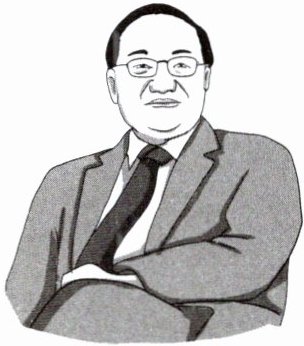
During his lifetime, Jin Yong wrote 15 martial arts novels. Over 300 million copies of his books have been sold around the world. It is just as the well - known saying goes, “Wherever there are Chinese, you will find Jin Yong’s novels.” With his books, Jin Yong created an imaginary world called Jianghu. In Jianghu, fighting heroes (侠) practise martial arts. But Jin Yong also used some stories from Chinese history and traditional Chinese culture to make this world. His stories took place in different dynasties (朝代). He used Chinese poems in his books. This makes his books rich and colourful and makes the characters (角色) more vivid (生动).
However, more importantly, Jin Yong has shaped the values (价值观) of many Chinese people. He once said that “‘Wuxia’ is mainly about xia not wu (kung fu)”. The characters in Jin Yong’s books fight for justice (公平). And his readers will always thank him for teaching them these things.
(
A. *Bixue Jian*, *Louis Cha Leung - yung*
B. *Luding Ji*, *Jianghu*
C. *Luding Ji* and *Xiake Xing*
D. *Xiake Xing* and *Wuxia*
(
A. Over 300,000,000 copies.
B. Over 200,000,000 copies.
C. Over 30,000,000 copies.
D. Over 20,000,000 copies.
(
A. Chinese history.
B. Chinese drama.
C. Chinese poems.
D. Traditional Chinese culture.
(
A. do good to people
B. practise martial arts and fight for justice
C. are not vivid
D. love kung fu
(
A. Excited.
B. Thankful.
C. Happy.
D. Justice.
In the Chinese - speaking world, there are some things that everyone knows about and has in common. A good example of this is Jin Yong and his books. Jin Yong is the pen name of Louis Cha Leung - yung (查良镛). He was the most important Chinese martial arts novelist (武侠小说家). He wrote many novels such as *Bixue Jian*, *Luding Ji* and *Xiake Xing*. He died at 94 years old in Hong Kong.
During his lifetime, Jin Yong wrote 15 martial arts novels. Over 300 million copies of his books have been sold around the world. It is just as the well - known saying goes, “Wherever there are Chinese, you will find Jin Yong’s novels.” With his books, Jin Yong created an imaginary world called Jianghu. In Jianghu, fighting heroes (侠) practise martial arts. But Jin Yong also used some stories from Chinese history and traditional Chinese culture to make this world. His stories took place in different dynasties (朝代). He used Chinese poems in his books. This makes his books rich and colourful and makes the characters (角色) more vivid (生动).
However, more importantly, Jin Yong has shaped the values (价值观) of many Chinese people. He once said that “‘Wuxia’ is mainly about xia not wu (kung fu)”. The characters in Jin Yong’s books fight for justice (公平). And his readers will always thank him for teaching them these things.
(
C
) 1. The Chinese martial arts novelist Jin Yong wrote novels like .A. *Bixue Jian*, *Louis Cha Leung - yung*
B. *Luding Ji*, *Jianghu*
C. *Luding Ji* and *Xiake Xing*
D. *Xiake Xing* and *Wuxia*
(
A
) 2. How many martial arts novels have been sold during Jin Yong’s lifetime?A. Over 300,000,000 copies.
B. Over 200,000,000 copies.
C. Over 30,000,000 copies.
D. Over 20,000,000 copies.
(
B
) 3. Which is not the Chinese element (元素) Jin Yong used in his books?A. Chinese history.
B. Chinese drama.
C. Chinese poems.
D. Traditional Chinese culture.
(
B
) 4. The characters in Jin Yong’s novels .A. do good to people
B. practise martial arts and fight for justice
C. are not vivid
D. love kung fu
(
B
) 5. What are the readers’ feeling to Jin Yong?A. Excited.
B. Thankful.
C. Happy.
D. Justice.
答案
1. C
2. A
3. B
4. B
5. B
2. A
3. B
4. B
5. B
解析
1.根据文章中“He wrote many novels such as *Bixue Jian*, *Luding Ji* and *Xiake Xing*.”可知答案为C选项提到的《鹿鼎记》和《侠客行》。A选项中“Louis Cha Leung - yung”是金庸真名,并非小说名;B选项中“Jianghu”是金庸创造的世界名,不是小说名;D选项中“Wuxia”是武侠主题统称,不是小说名。
2.从文中“Over 300 million copies of his books have been sold around the world.”能明确得出答案,300 million即3亿,也就是300,000,000。
3.由“But Jin Yong also used some stories from Chinese history and traditional Chinese culture to make this world. He used Chinese poems in his books.”可知,金庸在书中用了中国历史、传统文化和中国诗歌,未提及中国戏剧。
4.依据“In Jianghu, fighting heroes (侠) practise martial arts. The characters in Jin Yong’s books fight for justice (公平).”可知,金庸小说中的人物练武且为正义而战。
5.从“And his readers will always thank him for teaching them these things.”可直接得出读者对金庸是感激的。
翻译:
### Ⅰ 阅读理解。
在华语世界,有一些事物是人人知晓且共有的。金庸和他的作品就是一个很好的例子。金庸是查良镛的笔名。他是中国最重要的武侠小说家。他创作了许多小说,如《碧血剑》《鹿鼎记》和《侠客行》。他在香港去世,享年94岁。
金庸一生创作了15部武侠小说。他的书籍在全球的销量超过3亿册。正如那句名言所说:“有华人的地方,就有金庸的小说。”通过他的作品,金庸构建了一个名为“江湖”的虚构世界。在江湖中,侠客们修习武功。但金庸也运用了一些中国历史和中国传统文化中的故事来构建这个世界。他的故事发生在不同的朝代。他在书中引用中国诗词。这使得他的作品丰富多彩,也让角色更加生动。
然而,更重要的是,金庸塑造了许多中国人的价值观。他曾说:“‘武侠’主要是关于‘侠’,而非‘武’(功夫)。”金庸作品中的角色为正义而战。他的读者们会一直感谢他向他们传递了这些理念。
( )1. 中国武侠小说家金庸创作了诸如______的小说。
A. 《碧血剑》、查良镛
B. 《鹿鼎记》、江湖
C. 《鹿鼎记》和《侠客行》
D. 《侠客行》和武侠
( )2. 金庸一生的武侠小说销量是多少?
A. 超过3亿册。
B. 超过2亿册。
C. 超过300万册。
D. 超过200万册。
( )3. 以下哪一项不是金庸在作品中运用的中国元素?
A. 中国历史。
B. 中国戏剧。
C. 中国诗词。
D. 中国传统文化。
( )4. 金庸小说中的角色______。
A. 对人友善
B. 修习武功并为正义而战
C. 不生动
D. 热爱功夫
( )5. 读者对金庸的感受是怎样的?
A. 兴奋的。
B. 感激的。
C. 开心的。
D. 正义的。
2.从文中“Over 300 million copies of his books have been sold around the world.”能明确得出答案,300 million即3亿,也就是300,000,000。
3.由“But Jin Yong also used some stories from Chinese history and traditional Chinese culture to make this world. He used Chinese poems in his books.”可知,金庸在书中用了中国历史、传统文化和中国诗歌,未提及中国戏剧。
4.依据“In Jianghu, fighting heroes (侠) practise martial arts. The characters in Jin Yong’s books fight for justice (公平).”可知,金庸小说中的人物练武且为正义而战。
5.从“And his readers will always thank him for teaching them these things.”可直接得出读者对金庸是感激的。
翻译:
### Ⅰ 阅读理解。
在华语世界,有一些事物是人人知晓且共有的。金庸和他的作品就是一个很好的例子。金庸是查良镛的笔名。他是中国最重要的武侠小说家。他创作了许多小说,如《碧血剑》《鹿鼎记》和《侠客行》。他在香港去世,享年94岁。
金庸一生创作了15部武侠小说。他的书籍在全球的销量超过3亿册。正如那句名言所说:“有华人的地方,就有金庸的小说。”通过他的作品,金庸构建了一个名为“江湖”的虚构世界。在江湖中,侠客们修习武功。但金庸也运用了一些中国历史和中国传统文化中的故事来构建这个世界。他的故事发生在不同的朝代。他在书中引用中国诗词。这使得他的作品丰富多彩,也让角色更加生动。
然而,更重要的是,金庸塑造了许多中国人的价值观。他曾说:“‘武侠’主要是关于‘侠’,而非‘武’(功夫)。”金庸作品中的角色为正义而战。他的读者们会一直感谢他向他们传递了这些理念。
( )1. 中国武侠小说家金庸创作了诸如______的小说。
A. 《碧血剑》、查良镛
B. 《鹿鼎记》、江湖
C. 《鹿鼎记》和《侠客行》
D. 《侠客行》和武侠
( )2. 金庸一生的武侠小说销量是多少?
A. 超过3亿册。
B. 超过2亿册。
C. 超过300万册。
D. 超过200万册。
( )3. 以下哪一项不是金庸在作品中运用的中国元素?
A. 中国历史。
B. 中国戏剧。
C. 中国诗词。
D. 中国传统文化。
( )4. 金庸小说中的角色______。
A. 对人友善
B. 修习武功并为正义而战
C. 不生动
D. 热爱功夫
( )5. 读者对金庸的感受是怎样的?
A. 兴奋的。
B. 感激的。
C. 开心的。
D. 正义的。
