

 登录
登录
四、完成句子
1. 他对加入DIY俱乐部一点也不感兴趣。相反,他喜欢打篮球。
He
2. 虽然还活着,但我当时说话的声音十分微弱。
I was still alive, but I could only
3. 那些登山者当时正尽力四处奔逃。
The climbers
4. 我们应该学会怎样为可能发生的地震做准备。否则,我们会不知所措。
We should learn
1. 他对加入DIY俱乐部一点也不感兴趣。相反,他喜欢打篮球。
He
isn’t interested in joining
the DIY Club at all
. Instead, he loves playing basketball.2. 虽然还活着,但我当时说话的声音十分微弱。
I was still alive, but I could only
speak in a very low voice
.3. 那些登山者当时正尽力四处奔逃。
The climbers
were trying (their best) to run in all directions
at that time.4. 我们应该学会怎样为可能发生的地震做准备。否则,我们会不知所措。
We should learn
how to prepare for possible
earthquakes. Otherwise, we won’t know what to do
.答案
1. isn’t interested in joining; at all
2. speak in a very low voice
3. were trying (their best) to run in all directions
4. how to prepare for possible; what to do
2. speak in a very low voice
3. were trying (their best) to run in all directions
4. how to prepare for possible; what to do
解析
【分析】
1. 第1题考查固定搭配:“对…感兴趣”为be interested in,“一点也不”是not...at all,“加入俱乐部”用join,主语he是第三人称单数,一般现在时否定式为isn't,结合语境即可得出答案;
2. 第2题考查“用微弱的声音说话”的固定表达,需用speak相关短语搭配;
3. 第3题考查过去进行时(was/were+doing),“尽力做某事”是try one's best to do,“四处奔逃”是run in all directions,主语climbers为复数,过去式用were,结合时态结构填空;
4. 第4题考查“疑问词+不定式”结构,“怎样为…做准备”是how to prepare for,“可能发生的地震”是possible earthquakes,“不知所措”对应what to do,按结构填空即可。
【解析】
1. 第一空:“对加入DIY俱乐部感兴趣”译为isn’t interested in joining,主语he为第三人称单数,一般现在时否定式正确;第二空“一点也不”用固定短语at all,故填isn’t interested in joining; at all;
2. “说话声音十分微弱”译为speak in a very low voice,符合语境,故填speak in a very low voice;
3. 由“at that time”可知用过去进行时,主语climbers为复数,故用were;“尽力四处奔逃”译为try (their best) to run in all directions,结合过去进行时结构,填were trying (their best) to run in all directions;
4. “怎样为可能发生的地震做准备”用how to prepare for possible earthquakes;“不知所措”即“不知道做什么”用what to do,故填how to prepare for possible; what to do;
【答案】
1. isn’t interested in joining; at all
2. speak in a very low voice
3. were trying (their best) to run in all directions
4. how to prepare for possible; what to do
【知识点】
固定搭配、过去进行时、疑问词+不定式
【点评】
本题考查初中英语基础的固定短语、句式及时态运用,是对核心英语知识的综合考查,需学生掌握常见搭配和语法结构。
【难度系数】
0.7
1. 第1题考查固定搭配:“对…感兴趣”为be interested in,“一点也不”是not...at all,“加入俱乐部”用join,主语he是第三人称单数,一般现在时否定式为isn't,结合语境即可得出答案;
2. 第2题考查“用微弱的声音说话”的固定表达,需用speak相关短语搭配;
3. 第3题考查过去进行时(was/were+doing),“尽力做某事”是try one's best to do,“四处奔逃”是run in all directions,主语climbers为复数,过去式用were,结合时态结构填空;
4. 第4题考查“疑问词+不定式”结构,“怎样为…做准备”是how to prepare for,“可能发生的地震”是possible earthquakes,“不知所措”对应what to do,按结构填空即可。
【解析】
1. 第一空:“对加入DIY俱乐部感兴趣”译为isn’t interested in joining,主语he为第三人称单数,一般现在时否定式正确;第二空“一点也不”用固定短语at all,故填isn’t interested in joining; at all;
2. “说话声音十分微弱”译为speak in a very low voice,符合语境,故填speak in a very low voice;
3. 由“at that time”可知用过去进行时,主语climbers为复数,故用were;“尽力四处奔逃”译为try (their best) to run in all directions,结合过去进行时结构,填were trying (their best) to run in all directions;
4. “怎样为可能发生的地震做准备”用how to prepare for possible earthquakes;“不知所措”即“不知道做什么”用what to do,故填how to prepare for possible; what to do;
【答案】
1. isn’t interested in joining; at all
2. speak in a very low voice
3. were trying (their best) to run in all directions
4. how to prepare for possible; what to do
【知识点】
固定搭配、过去进行时、疑问词+不定式
【点评】
本题考查初中英语基础的固定短语、句式及时态运用,是对核心英语知识的综合考查,需学生掌握常见搭配和语法结构。
【难度系数】
0.7
五、阅读理解 阅读下面的短文,然后根据短文内容,在每小题所给的四个选项中选出最佳选项。
Earthquakes are one of the most powerful natural forces on Earth. They happen when pieces of the Earth’s surface, called tectonic plates (构造板块), move against each other. These plates are always slowly moving, but sometimes they get stuck. When they finally break free, it causes a sudden shake — an earthquake.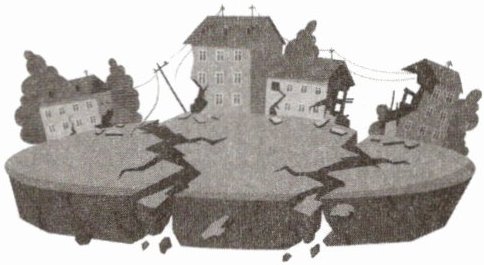
Earthquakes can cause a lot of damage. Buildings may fall, roads can crack, and sometimes fires start because gas pipes break. In places near the ocean, earthquakes can even create huge waves called tsunamis, which are very dangerous for coastal towns.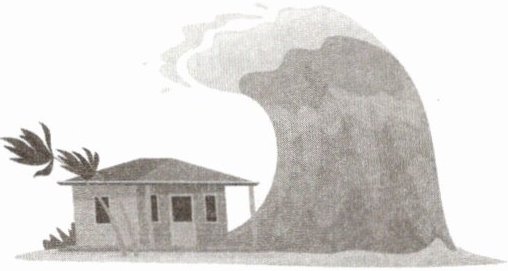
Scientists use special tools to study earthquakes. They measure how strong an earthquake is with a scale (量表) called the Richter scale. A small earthquake might be a 2 or 3 on this scale and can hardly be felt. But a big one, like the 9.0 earthquake in Japan in 2011, can cause terrible destruction.
It’s important to know what to do during an earthquake. If you’re indoors, you should hide under a strong table or desk. Stay away from windows and heavy furniture that could fall. If you’re outside, move to an open area, away from buildings and trees. Remember, staying calm can help you stay safe.
(
A. When tectonic plates stop moving completely.
B. When tectonic plates move against each other and break free after getting stuck.
C. When tsunamis hit coastal areas.
D. When scientists use the Richter scale.
(
A. Safety B. Damage C. Help D. Movement
(
A. How to measure earthquakes with the Richter scale.
B. Why tsunamis are dangerous for coastal towns.
C. What earthquakes are, their effects, and safety tips.
D. How tectonic plates move on the Earth’s surface.
Earthquakes are one of the most powerful natural forces on Earth. They happen when pieces of the Earth’s surface, called tectonic plates (构造板块), move against each other. These plates are always slowly moving, but sometimes they get stuck. When they finally break free, it causes a sudden shake — an earthquake.
Earthquakes can cause a lot of damage. Buildings may fall, roads can crack, and sometimes fires start because gas pipes break. In places near the ocean, earthquakes can even create huge waves called tsunamis, which are very dangerous for coastal towns.
Scientists use special tools to study earthquakes. They measure how strong an earthquake is with a scale (量表) called the Richter scale. A small earthquake might be a 2 or 3 on this scale and can hardly be felt. But a big one, like the 9.0 earthquake in Japan in 2011, can cause terrible destruction.
It’s important to know what to do during an earthquake. If you’re indoors, you should hide under a strong table or desk. Stay away from windows and heavy furniture that could fall. If you’re outside, move to an open area, away from buildings and trees. Remember, staying calm can help you stay safe.
(
B
) 1. When do earthquakes happen?A. When tectonic plates stop moving completely.
B. When tectonic plates move against each other and break free after getting stuck.
C. When tsunamis hit coastal areas.
D. When scientists use the Richter scale.
(
B
) 2. What does the underlined word “destruction” in Paragraph 3 probably mean?A. Safety B. Damage C. Help D. Movement
(
C
) 3. What is the main idea of this passage?A. How to measure earthquakes with the Richter scale.
B. Why tsunamis are dangerous for coastal towns.
C. What earthquakes are, their effects, and safety tips.
D. How tectonic plates move on the Earth’s surface.
答案
1. B 2. B 3. C
解析
【分析】
做这篇阅读理解题时,需先通读短文把握核心内容,再针对每道题的题型(细节理解、词义猜测、主旨大意),回到原文定位关键信息或结合上下文分析:第1题需找地震发生的原因,对应第一段内容;第2题要结合第三段语境推测划线词含义;第3题需归纳全文各段的核心内容,选出主旨。
【解析】
1. 细节理解题:根据第一段“Earthquakes happen when pieces of the Earth’s surface... move against each other. These plates... get stuck. When they finally break free, it causes a sudden shake — an earthquake.”可知,地震是构造板块相互挤压、卡住后挣脱时发生的,A(板块完全停止移动)错误,C(海啸袭击)是地震引发的结果而非原因,D(科学家用里氏量表)与地震发生无关,故选B。
2. 词义猜测题:第三段提到小地震(2-3级)几乎感觉不到,而大地震(如日本2011年9.0级)会造成可怕的“destruction”,结合第二段“Earthquakes can cause a lot of damage”可知,destruction与damage(破坏)同义,故选B。
3. 主旨大意题:第一段介绍地震的定义,第二段讲地震的危害,第三段讲地震的测量方式,第四段讲地震中的安全提示,整体围绕“地震的相关知识及安全建议”展开,对应选项C,A、B、D仅为文章部分内容,不能概括全文。
【答案】
1. B 2. B 3. C
【知识点】
阅读理解细节理解、词义猜测、主旨大意
【点评】
本文是关于地震的科普类短文,题目设置基础,涵盖阅读理解核心题型,要求学生能精准定位原文信息、结合语境推测词义、归纳文章主旨,适合中等水平学生练习。
【难度系数】
0.7
做这篇阅读理解题时,需先通读短文把握核心内容,再针对每道题的题型(细节理解、词义猜测、主旨大意),回到原文定位关键信息或结合上下文分析:第1题需找地震发生的原因,对应第一段内容;第2题要结合第三段语境推测划线词含义;第3题需归纳全文各段的核心内容,选出主旨。
【解析】
1. 细节理解题:根据第一段“Earthquakes happen when pieces of the Earth’s surface... move against each other. These plates... get stuck. When they finally break free, it causes a sudden shake — an earthquake.”可知,地震是构造板块相互挤压、卡住后挣脱时发生的,A(板块完全停止移动)错误,C(海啸袭击)是地震引发的结果而非原因,D(科学家用里氏量表)与地震发生无关,故选B。
2. 词义猜测题:第三段提到小地震(2-3级)几乎感觉不到,而大地震(如日本2011年9.0级)会造成可怕的“destruction”,结合第二段“Earthquakes can cause a lot of damage”可知,destruction与damage(破坏)同义,故选B。
3. 主旨大意题:第一段介绍地震的定义,第二段讲地震的危害,第三段讲地震的测量方式,第四段讲地震中的安全提示,整体围绕“地震的相关知识及安全建议”展开,对应选项C,A、B、D仅为文章部分内容,不能概括全文。
【答案】
1. B 2. B 3. C
【知识点】
阅读理解细节理解、词义猜测、主旨大意
【点评】
本文是关于地震的科普类短文,题目设置基础,涵盖阅读理解核心题型,要求学生能精准定位原文信息、结合语境推测词义、归纳文章主旨,适合中等水平学生练习。
【难度系数】
0.7
