

 登录
登录
C
Thirty years ago, China started to build its own navigation satellite system(卫星导航系统), Beidou. It took its name from the Big Dipper stars, which are the guiding light for people around the world.
In 1994, China began making the Beidou Navigation Satellite System(BDS) so it wouldn't have to use navigation systems from other countries. It's a lot safer this way. In 2020, after over 20 years of hard work, Beidou completed its global network. This great success placed China among the group of countries and regions that have their own global navigation network. The US, Russia and the European Union are the other three.
Beidou does not just show where you are. It's also the first to let you send texts where there's no phone signal(信号) or internet. For example, you can use it to send messages to others in a deep mountain. The Beidou system has played an important role in disaster prevention and response(防灾救灾). The BDS even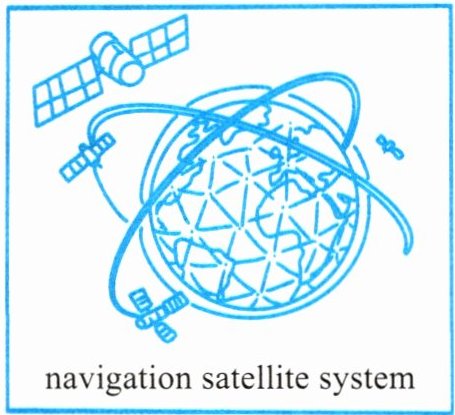
helps farmers in China by providing clear information for planting and monitoring, making farming smarter.
The BDS is more than a system. It shows China's power in science and technology. Now, over 120 countries and regions are using it. Wherever you are, Beidou's there to help you find your way.
( )23. Why did China begin making the Beidou system?
A. Because it is more useful than the Big Dipper stars.
B. Because it's not safe to use systems from other countries.
C. Because many other countries already had navigation systems.
D. Because China wanted to become stronger in science and technology.
(
A. The name of Beidou.
B. The history of Beidou.
C. The success of Beidou.
D. The different uses of Beidou.
(
A. It can help people find their way.
B. It is helpful before and during disasters.
C. It gives farmers useful information to plant.
D. It lets people send texts without phone signal.
(
A. To encourage people to use Beidou.
B. To explain the steps to build Beidou.
C. To introduce what Beidou is and how it is used.
D. To compare different navigation satellite systems.
Thirty years ago, China started to build its own navigation satellite system(卫星导航系统), Beidou. It took its name from the Big Dipper stars, which are the guiding light for people around the world.
In 1994, China began making the Beidou Navigation Satellite System(BDS) so it wouldn't have to use navigation systems from other countries. It's a lot safer this way. In 2020, after over 20 years of hard work, Beidou completed its global network. This great success placed China among the group of countries and regions that have their own global navigation network. The US, Russia and the European Union are the other three.
Beidou does not just show where you are. It's also the first to let you send texts where there's no phone signal(信号) or internet. For example, you can use it to send messages to others in a deep mountain. The Beidou system has played an important role in disaster prevention and response(防灾救灾). The BDS even
helps farmers in China by providing clear information for planting and monitoring, making farming smarter.
The BDS is more than a system. It shows China's power in science and technology. Now, over 120 countries and regions are using it. Wherever you are, Beidou's there to help you find your way.
( )23. Why did China begin making the Beidou system?
A. Because it is more useful than the Big Dipper stars.
B. Because it's not safe to use systems from other countries.
C. Because many other countries already had navigation systems.
D. Because China wanted to become stronger in science and technology.
(
B
)24. What is Paragraph 2 mainly about?A. The name of Beidou.
B. The history of Beidou.
C. The success of Beidou.
D. The different uses of Beidou.
(
D
)25. Which of the following is a world-first use of the Beidou system?A. It can help people find their way.
B. It is helpful before and during disasters.
C. It gives farmers useful information to plant.
D. It lets people send texts without phone signal.
(
C
)26. What is the main purpose of the text?A. To encourage people to use Beidou.
B. To explain the steps to build Beidou.
C. To introduce what Beidou is and how it is used.
D. To compare different navigation satellite systems.
答案
23. B 24. B 25. D 26. C
解析
【分析】
本题为科技类阅读理解题,共4道选择题,需结合原文细节、段落主旨逐一分析:
1. 第23题:定位原文找中国研发北斗的原因,对应原文第二段相关表述;
2. 第24题:分析第二段内容的核心,梳理时间线判断段落主旨;
3. 第25题:定位原文中关于北斗首创功能的描述,匹配选项;
4. 第26题:梳理全文内容,提炼文章的核心写作目的。
【解析】
23题:根据原文第二段“In 1994, China began making the Beidou Navigation Satellite System(BDS) so it wouldn't have to use navigation systems from other countries. It's a lot safer this way.”可知,中国研发北斗是因为使用其他国家的导航系统不安全,故选B。
24题:第二段从1994年启动研发,到2020年完成全球网络,主要讲述了北斗系统的发展历史,故选B。
25题:根据第三段“It's also the first to let you send texts where there's no phone signal or internet.”可知,北斗的世界首创功能是在无手机信号或网络时发送短信,故选D。
26题:全文介绍了北斗系统的名称由来、研发历程、多种功能(定位、发短信、防灾救灾、助农等),核心目的是介绍北斗是什么以及它的用途,故选C。
【答案】
23.B 24.B 25.D 26.C
【知识点】
阅读理解解题技巧,细节理解题,主旨大意题
【点评】
本题围绕中国北斗卫星导航系统展开,考查学生快速定位原文信息、理解段落及全文主旨的能力,属于基础科技类阅读,只要仔细阅读原文即可正确作答。
【难度系数】
0.6
本题为科技类阅读理解题,共4道选择题,需结合原文细节、段落主旨逐一分析:
1. 第23题:定位原文找中国研发北斗的原因,对应原文第二段相关表述;
2. 第24题:分析第二段内容的核心,梳理时间线判断段落主旨;
3. 第25题:定位原文中关于北斗首创功能的描述,匹配选项;
4. 第26题:梳理全文内容,提炼文章的核心写作目的。
【解析】
23题:根据原文第二段“In 1994, China began making the Beidou Navigation Satellite System(BDS) so it wouldn't have to use navigation systems from other countries. It's a lot safer this way.”可知,中国研发北斗是因为使用其他国家的导航系统不安全,故选B。
24题:第二段从1994年启动研发,到2020年完成全球网络,主要讲述了北斗系统的发展历史,故选B。
25题:根据第三段“It's also the first to let you send texts where there's no phone signal or internet.”可知,北斗的世界首创功能是在无手机信号或网络时发送短信,故选D。
26题:全文介绍了北斗系统的名称由来、研发历程、多种功能(定位、发短信、防灾救灾、助农等),核心目的是介绍北斗是什么以及它的用途,故选C。
【答案】
23.B 24.B 25.D 26.C
【知识点】
阅读理解解题技巧,细节理解题,主旨大意题
【点评】
本题围绕中国北斗卫星导航系统展开,考查学生快速定位原文信息、理解段落及全文主旨的能力,属于基础科技类阅读,只要仔细阅读原文即可正确作答。
【难度系数】
0.6
