

 登录
登录
B
Whether we're young or old, rich or poor, we have one thing in common: The moon has always looked down at each of us when it lights up the night sky.
Just like a mirror(镜子), the moon reflects the sun's light. It can also reflect people's feelings. This is probably why the moon is always popular among Western and Chinese music, poems and other forms of literature. So when we look at the moon, what exactly do we see looking back at us?
Well, that depends on who's looking.
The ancient Greek poet(古希腊诗人) Sappho, for example, saw the moon as a woman who lit up space with her beauty.
Later in England, however, the moon's image(形象) was completely different. In the Middle Ages, English people often drank to get away from difficult life. In their eyes, the moon was a man who liked drinking. In London, at least three pubs(酒馆) were named "Man in the Moon". It's probably because the bright moon at night looks like a man's red face after drinking. A popular song in pubs at that time even went, "Our man in the moon drinks wine..."
▲ Chinese Tang Dynasty poet Li Bai's Quiet Night Thought read, "I look up to the mountain moon, and then I look down and think of home." Similarly, Zhang Jiuling wrote in another poem, "Looking at the moon and thinking of one far away." So in Chinese culture, when people look at the moon, they may miss their hometown and someone. Very interesting, right?
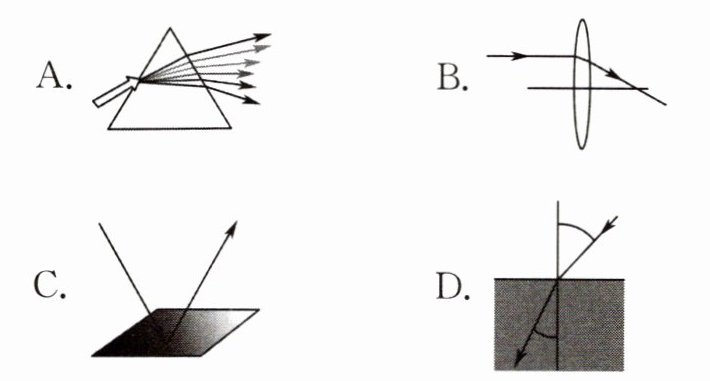
1. What does the underlined word "reflects" mean?
2. What does the moon probably stand for in ancient Greece?
A. A beautiful woman.
B. The hometown.
C. A wine-loving man.
D. The person who you miss.
3. Why were the pubs named "Man in the Moon" in London during the Middle Ages?
A. Because people believed that a man lived on the moon.
B. Because people liked looking up at the moon while drinking.
C. Because people wanted to get away from their difficult life to the moon.
D. Because people thought the bright moon looked like a man's red face after drinking.
4. Which of the following can be put in the "▲"?
A. The bright moon caught Li Bai's attention.
B. There were many famous poems in ancient China.
C. The moon is also a popular subject in Chinese poems.
D. Chinese people eat fruit and biscuits while enjoying the moon.
5. What does the passage mainly talk about?
A. The exploration into the moon.
B. The moon's image in different cultures.
C. Different ways to praise the moon around the world.
D. The relationship between the moon and people in different times.
Whether we're young or old, rich or poor, we have one thing in common: The moon has always looked down at each of us when it lights up the night sky.
Just like a mirror(镜子), the moon reflects the sun's light. It can also reflect people's feelings. This is probably why the moon is always popular among Western and Chinese music, poems and other forms of literature. So when we look at the moon, what exactly do we see looking back at us?
Well, that depends on who's looking.
The ancient Greek poet(古希腊诗人) Sappho, for example, saw the moon as a woman who lit up space with her beauty.
Later in England, however, the moon's image(形象) was completely different. In the Middle Ages, English people often drank to get away from difficult life. In their eyes, the moon was a man who liked drinking. In London, at least three pubs(酒馆) were named "Man in the Moon". It's probably because the bright moon at night looks like a man's red face after drinking. A popular song in pubs at that time even went, "Our man in the moon drinks wine..."
▲ Chinese Tang Dynasty poet Li Bai's Quiet Night Thought read, "I look up to the mountain moon, and then I look down and think of home." Similarly, Zhang Jiuling wrote in another poem, "Looking at the moon and thinking of one far away." So in Chinese culture, when people look at the moon, they may miss their hometown and someone. Very interesting, right?
1. What does the underlined word "reflects" mean?
2. What does the moon probably stand for in ancient Greece?
A. A beautiful woman.
B. The hometown.
C. A wine-loving man.
D. The person who you miss.
3. Why were the pubs named "Man in the Moon" in London during the Middle Ages?
A. Because people believed that a man lived on the moon.
B. Because people liked looking up at the moon while drinking.
C. Because people wanted to get away from their difficult life to the moon.
D. Because people thought the bright moon looked like a man's red face after drinking.
4. Which of the following can be put in the "▲"?
A. The bright moon caught Li Bai's attention.
B. There were many famous poems in ancient China.
C. The moon is also a popular subject in Chinese poems.
D. Chinese people eat fruit and biscuits while enjoying the moon.
5. What does the passage mainly talk about?
A. The exploration into the moon.
B. The moon's image in different cultures.
C. Different ways to praise the moon around the world.
D. The relationship between the moon and people in different times.
答案
【文章大意】本文介绍了中西方文化中人们心中月亮的形象。
1.C【解析】词义猜测题。根据第二段中的“Just like a mirror...”可知,月亮和镜子一样,而镜子是反射光线的,因此判断画线单词的含义为反射;再结合物理知识可知,C选项是表示反射的图。故选C。
2.A【解析】推理判断题。根据“The ancient Greek poet Sappho, for example, saw the moon as a woman who lit up space with her beauty.”可知,古希腊诗人把月亮看作是一个美丽的妇女。因此推断在古希腊月亮可能代表美女之意。故选A。
3.D【解析】细节理解题。根据“It's probably because the bright moon at night looks like a man's red face after drinking.”可知,这可能是因为夜晚的月亮看起来像醉酒后男人的红色脸庞。故选D。
4.C【解析】句子还原题。通读最后一段可知,本段介绍了中国文化中月亮的形象。故选C。
5.B【解析】主旨大意题。根据第二段“This is probably why the moon is always popular among Western and Chinese music, poems and other forms of literature.”可知,本文介绍了中西方文化中月亮的形象。故选B。
1.C【解析】词义猜测题。根据第二段中的“Just like a mirror...”可知,月亮和镜子一样,而镜子是反射光线的,因此判断画线单词的含义为反射;再结合物理知识可知,C选项是表示反射的图。故选C。
2.A【解析】推理判断题。根据“The ancient Greek poet Sappho, for example, saw the moon as a woman who lit up space with her beauty.”可知,古希腊诗人把月亮看作是一个美丽的妇女。因此推断在古希腊月亮可能代表美女之意。故选A。
3.D【解析】细节理解题。根据“It's probably because the bright moon at night looks like a man's red face after drinking.”可知,这可能是因为夜晚的月亮看起来像醉酒后男人的红色脸庞。故选D。
4.C【解析】句子还原题。通读最后一段可知,本段介绍了中国文化中月亮的形象。故选C。
5.B【解析】主旨大意题。根据第二段“This is probably why the moon is always popular among Western and Chinese music, poems and other forms of literature.”可知,本文介绍了中西方文化中月亮的形象。故选B。
