

 登录
登录
四、根据短文内容及首字母提示,填写所缺单词,使其意思完整。
Long long ago, there was a city called Jijiaocheng, so n 1 because it was said to have been built at daybreak. The city was on the rich Liyang Plain(平原). Many waterways p 2 water for crop fields and the people living inside and outside of the city.
The rulers of Jijiaocheng asked the people to c 3 down trees in the mountains. The wood was shipped by w 4 to the city for tall buildings. Standing in them, the city's rulers would be able to see their people and crops between the waterways. In autumn, plenty of rice was b 5 to the city.
This is not some bedtime story. It r 6 took place around 4,500 years ago.
Thousands of years l 7, the once busy and rich Jijiaocheng, which is now in a town of Hunan, came to the notice of the modern world. With the help of archaeologists(考古学家) and historians, artists painted recreations of life in Jijiaocheng in a t 8 scroll(卷轴).
The scroll was part of a huge project. A group of a 9 spent two years on it. It includes eight paintings, which are 140 metres long in total. It s 10 early human activities on the Liyang Plain and the prehistoric culture in Hunan.
1.
6.
Long long ago, there was a city called Jijiaocheng, so n 1 because it was said to have been built at daybreak. The city was on the rich Liyang Plain(平原). Many waterways p 2 water for crop fields and the people living inside and outside of the city.
The rulers of Jijiaocheng asked the people to c 3 down trees in the mountains. The wood was shipped by w 4 to the city for tall buildings. Standing in them, the city's rulers would be able to see their people and crops between the waterways. In autumn, plenty of rice was b 5 to the city.
This is not some bedtime story. It r 6 took place around 4,500 years ago.
Thousands of years l 7, the once busy and rich Jijiaocheng, which is now in a town of Hunan, came to the notice of the modern world. With the help of archaeologists(考古学家) and historians, artists painted recreations of life in Jijiaocheng in a t 8 scroll(卷轴).
The scroll was part of a huge project. A group of a 9 spent two years on it. It includes eight paintings, which are 140 metres long in total. It s 10 early human activities on the Liyang Plain and the prehistoric culture in Hunan.
1.
named
2. provided
3. cut
4. workers
5. brought
6.
really
7. later
8. traditional
9. artists
10. shows
答案
1. named 2. provided 3. cut 4. workers 5. brought
6. really 7. later 8. traditional 9. artists 10. shows
6. really 7. later 8. traditional 9. artists 10. shows
解析
【分析】
解答本题需先通读短文理解大意,再结合首字母提示、语境及语法知识(如固定搭配、时态、词性)逐一确定所缺单词:1. 结合“被命名”的被动语境和首字母n,确定用过去分词;2. 结合“提供某物给…”的固定搭配及过去时态,确定对应动词;3. 结合“砍树”的固定搭配及不定式结构,确定动词原形;4. 结合“运输执行者”的语境和首字母w,确定名词复数;5. 结合被动语态结构和首字母b,确定过去分词;6. 结合修饰动词的语境和首字母r,确定副词;7. 结合“之后”的语境和首字母l,确定副词;8. 结合修饰名词的语境和首字母t,确定形容词;9. 结合“一群人”的语境和首字母a,确定名词复数;10. 结合“展示”的语境和首字母s,确定动词单三形式。
【解析】
1. 句意:这个城市叫Jijiaocheng,如此命名是因为据说它建在黎明时分。此处用过去分词named作定语,表被动含义,符合语境。
2. 句意:许多水路为农田和城市内外的人们提供水。固定搭配provide sth for sb/sth,结合短文过去时态,用provided。
3. 句意:Jijiaocheng的统治者要求人们砍伐山上的树木。固定搭配cut down(砍伐),ask sb to do sth结构中用动词原形cut。
4. 句意:木头由工人用船运到城市建高楼。结合语境和首字母w,用workers(工人)表动作执行者。
5. 句意:秋天,大量的大米被运到城里。被动语态结构be+过去分词,结合首字母b,用brought(bring的过去分词)。
6. 句意:这不是睡前故事,它真的发生在大约4500年前。此处用副词really修饰动词短语took place,表“真正地”。
7. 句意:几千年后,曾经繁忙富裕的Jijiaocheng被现代世界注意到。结合语境和首字母l,用later(后来,之后)。
8. 句意:艺术家们在一个传统卷轴上绘制了Jijiaocheng的生活场景。结合语境和首字母t,用形容词traditional(传统的)修饰名词scroll。
9. 句意:一群艺术家花了两年时间完成它。结合语境和首字母a,用artists(艺术家),a group of后接名词复数。
10. 句意:它展示了澧阳平原早期人类活动和湖南的史前文化。结合语境和首字母s,用shows(展示),主语it是第三人称单数,动词用单三形式。
【答案】
1. named 2. provided 3. cut 4. workers 5. brought 6. really 7. later 8. traditional 9. artists 10. shows
【知识点】
英语词汇运用、固定搭配、时态语态
【点评】
本题为英语首字母填空题,考察基础词汇的运用,需结合语境、固定搭配及语法知识填词,难度适中,能有效检验学生对词汇的掌握程度。
【难度系数】
0.5
解答本题需先通读短文理解大意,再结合首字母提示、语境及语法知识(如固定搭配、时态、词性)逐一确定所缺单词:1. 结合“被命名”的被动语境和首字母n,确定用过去分词;2. 结合“提供某物给…”的固定搭配及过去时态,确定对应动词;3. 结合“砍树”的固定搭配及不定式结构,确定动词原形;4. 结合“运输执行者”的语境和首字母w,确定名词复数;5. 结合被动语态结构和首字母b,确定过去分词;6. 结合修饰动词的语境和首字母r,确定副词;7. 结合“之后”的语境和首字母l,确定副词;8. 结合修饰名词的语境和首字母t,确定形容词;9. 结合“一群人”的语境和首字母a,确定名词复数;10. 结合“展示”的语境和首字母s,确定动词单三形式。
【解析】
1. 句意:这个城市叫Jijiaocheng,如此命名是因为据说它建在黎明时分。此处用过去分词named作定语,表被动含义,符合语境。
2. 句意:许多水路为农田和城市内外的人们提供水。固定搭配provide sth for sb/sth,结合短文过去时态,用provided。
3. 句意:Jijiaocheng的统治者要求人们砍伐山上的树木。固定搭配cut down(砍伐),ask sb to do sth结构中用动词原形cut。
4. 句意:木头由工人用船运到城市建高楼。结合语境和首字母w,用workers(工人)表动作执行者。
5. 句意:秋天,大量的大米被运到城里。被动语态结构be+过去分词,结合首字母b,用brought(bring的过去分词)。
6. 句意:这不是睡前故事,它真的发生在大约4500年前。此处用副词really修饰动词短语took place,表“真正地”。
7. 句意:几千年后,曾经繁忙富裕的Jijiaocheng被现代世界注意到。结合语境和首字母l,用later(后来,之后)。
8. 句意:艺术家们在一个传统卷轴上绘制了Jijiaocheng的生活场景。结合语境和首字母t,用形容词traditional(传统的)修饰名词scroll。
9. 句意:一群艺术家花了两年时间完成它。结合语境和首字母a,用artists(艺术家),a group of后接名词复数。
10. 句意:它展示了澧阳平原早期人类活动和湖南的史前文化。结合语境和首字母s,用shows(展示),主语it是第三人称单数,动词用单三形式。
【答案】
1. named 2. provided 3. cut 4. workers 5. brought 6. really 7. later 8. traditional 9. artists 10. shows
【知识点】
英语词汇运用、固定搭配、时态语态
【点评】
本题为英语首字母填空题,考察基础词汇的运用,需结合语境、固定搭配及语法知识填词,难度适中,能有效检验学生对词汇的掌握程度。
【难度系数】
0.5
五、阅读理解。(2025·江苏宿迁·中考)
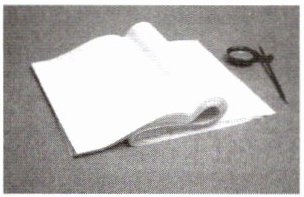
Among all types of paper, xuanzhi has earned a special place in Chinese culture. The history of xuanzhi dates back to the Tang Dynasty. At that time, paper was produced in Xuancheng, Jingxian, Ningguo and Taiping. They were counties(县) under the jurisdiction(管辖范围) of Xuanzhou. Among them, the paper made in Jingxian was the best for its excellent qualities. Since most paper distribution(分发) centres were in Xuancheng, the paper was then known as xuanzhi.
Xuanzhi is made from the bark(树皮) of the blue sandalwood tree(檀香树) and rice straw. The process(过程) of making it includes many procedures like washing, boiling, and drying. Each step needs a lot of time and care. The final product is soft, thin but strong. It doesn't tear(扯破) easily and can take in a lot of ink. Because of these qualities, xuanzhi has been loved by painters and calligraphers. It helps them fully express their creative ideas and feelings.
xuanzhi is not only a material for art but also a cultural symbol. It represents the rich heritage(遗产) of the arts in Chinese history. Even in today's modern world, xuanzhi continues to hold an important position in Chinese art and cultural traditions. It serves as a bridge connecting the past with the present, allowing modern artists to look for good ideas from history while creating new works. The special treasures of xuanzhi ensure that the beauty of Chinese calligraphy and painting can remain and can be passed down through generations.
(
A. Jingxian. B. Taiping. C. Ningguo. D. Xuancheng.
(
A. Materials. B. Steps. C. Counties. D. Thoughts.
(
A. Because of the price. B. Because of the size.
C. Because of the qualities. D. Because of the colour.
(
A. The types of xuanzhi. B. The value of xuanzhi.
C. The weight of xuanzhi. D. The ways of making xuanzhi.
Among all types of paper, xuanzhi has earned a special place in Chinese culture. The history of xuanzhi dates back to the Tang Dynasty. At that time, paper was produced in Xuancheng, Jingxian, Ningguo and Taiping. They were counties(县) under the jurisdiction(管辖范围) of Xuanzhou. Among them, the paper made in Jingxian was the best for its excellent qualities. Since most paper distribution(分发) centres were in Xuancheng, the paper was then known as xuanzhi.
Xuanzhi is made from the bark(树皮) of the blue sandalwood tree(檀香树) and rice straw. The process(过程) of making it includes many procedures like washing, boiling, and drying. Each step needs a lot of time and care. The final product is soft, thin but strong. It doesn't tear(扯破) easily and can take in a lot of ink. Because of these qualities, xuanzhi has been loved by painters and calligraphers. It helps them fully express their creative ideas and feelings.
xuanzhi is not only a material for art but also a cultural symbol. It represents the rich heritage(遗产) of the arts in Chinese history. Even in today's modern world, xuanzhi continues to hold an important position in Chinese art and cultural traditions. It serves as a bridge connecting the past with the present, allowing modern artists to look for good ideas from history while creating new works. The special treasures of xuanzhi ensure that the beauty of Chinese calligraphy and painting can remain and can be passed down through generations.
(
A
)1. Where was the best xuanzhi made according to the passage?A. Jingxian. B. Taiping. C. Ningguo. D. Xuancheng.
(
B
)2. What does the underlined word "procedures" in Paragraph 2 probably mean?A. Materials. B. Steps. C. Counties. D. Thoughts.
(
C
)3. Why has xuanzhi been loved by painters and calligraphers?A. Because of the price. B. Because of the size.
C. Because of the qualities. D. Because of the colour.
(
B
)4. What does Paragraph 3 mainly talk about?A. The types of xuanzhi. B. The value of xuanzhi.
C. The weight of xuanzhi. D. The ways of making xuanzhi.
答案
1. A 【点拨】根据“Among them, the paper made in Jingxian was the best for its excellent qualities.”可知,泾县制作的宣纸是最好的。故选 A。
2. B 【点拨】根据“The process(过程) of making it includes many procedures like washing, boiling, and drying.”可知,“procedures”在这里指的是制作宣纸过程中的步骤,与“steps”意思相近。故选 B。
3. C 【点拨】根据“The final product is soft, thin but strong. It doesn't tear(扯破) easily and can take in a lot of ink. Because of these qualities, xuanzhi has been loved by painters and calligraphers.”可知,宣纸因其优良的特性受到画家和书法家的喜爱。故选 C。
4. B 【点拨】根据第三段可知,宣纸不仅是艺术材料,还是文化象征,连接过去与现在,并传承中国书法和绘画的美。因此,本段主要讨论宣纸的文化价值。故选 B。
2. B 【点拨】根据“The process(过程) of making it includes many procedures like washing, boiling, and drying.”可知,“procedures”在这里指的是制作宣纸过程中的步骤,与“steps”意思相近。故选 B。
3. C 【点拨】根据“The final product is soft, thin but strong. It doesn't tear(扯破) easily and can take in a lot of ink. Because of these qualities, xuanzhi has been loved by painters and calligraphers.”可知,宣纸因其优良的特性受到画家和书法家的喜爱。故选 C。
4. B 【点拨】根据第三段可知,宣纸不仅是艺术材料,还是文化象征,连接过去与现在,并传承中国书法和绘画的美。因此,本段主要讨论宣纸的文化价值。故选 B。
解析
【分析】本题为中考英语阅读理解题,共4道选择题,考查细节理解、词义猜测和主旨大意能力。解题思路:1. 细节理解题需根据题干关键词定位原文对应语句,直接匹配答案;2. 词义猜测题结合上下文语境,通过举例等线索推断生词含义;3. 主旨大意题需概括段落核心内容,排除偏离主题的选项。
【解析】1. 细节理解题:根据第一段“Among them, the paper made in Jingxian was the best for its excellent qualities.”可知,最好的宣纸产自泾县,故选A。2. 词义猜测题:第二段提到制作宣纸的过程包含washing, boiling, drying等,这些是制作步骤,故procedures意为“步骤”,对应steps,选B。3. 细节理解题:根据第二段“Because of these qualities, xuanzhi has been loved by painters and calligraphers.”可知,宣纸因优良特性受画家和书法家喜爱,选C。4. 主旨大意题:第三段主要阐述宣纸作为艺术材料和文化象征的价值,故选B。
【答案】1.A 2.B 3.C 4.B
【知识点】阅读理解、细节理解、词义猜测
【点评】本题围绕中国传统文化宣纸展开,是中考常规题型,考查学生信息提取、词义推断和主旨概括能力,难度适中,符合中考命题特点。
【难度系数】0.8
【解析】1. 细节理解题:根据第一段“Among them, the paper made in Jingxian was the best for its excellent qualities.”可知,最好的宣纸产自泾县,故选A。2. 词义猜测题:第二段提到制作宣纸的过程包含washing, boiling, drying等,这些是制作步骤,故procedures意为“步骤”,对应steps,选B。3. 细节理解题:根据第二段“Because of these qualities, xuanzhi has been loved by painters and calligraphers.”可知,宣纸因优良特性受画家和书法家喜爱,选C。4. 主旨大意题:第三段主要阐述宣纸作为艺术材料和文化象征的价值,故选B。
【答案】1.A 2.B 3.C 4.B
【知识点】阅读理解、细节理解、词义猜测
【点评】本题围绕中国传统文化宣纸展开,是中考常规题型,考查学生信息提取、词义推断和主旨概括能力,难度适中,符合中考命题特点。
【难度系数】0.8
