

 登录
登录
(
A.look for
B.stand for
C.prepare for
B
)2. The five rings of Olympics(奥林匹克) five parts of the world.A.look for
B.stand for
C.prepare for
答案
2. B
解析
【分析】这道题考查动词短语的词义辨析,解题时需先明确每个选项短语的含义,再结合题干语境(奥运五环与世界五个部分的关系)选择合适的短语。
【解析】首先分析各选项:A选项look for意为“寻找”;B选项stand for意为“代表”;C选项prepare for意为“为……做准备”。题干语境是“奥林匹克的五环________世界的五个部分”,结合常识可知,奥运五环象征世界五大洲,即“代表”世界五个部分,因此选B。
【答案】B
【知识点】动词短语辨析
【点评】本题为英语基础词义辨析题,需掌握常见动词短语的含义,结合语境即可选出正确答案,难度较低。
【难度系数】0.4
【解析】首先分析各选项:A选项look for意为“寻找”;B选项stand for意为“代表”;C选项prepare for意为“为……做准备”。题干语境是“奥林匹克的五环________世界的五个部分”,结合常识可知,奥运五环象征世界五大洲,即“代表”世界五个部分,因此选B。
【答案】B
【知识点】动词短语辨析
【点评】本题为英语基础词义辨析题,需掌握常见动词短语的含义,结合语境即可选出正确答案,难度较低。
【难度系数】0.4
(
—I’m a big of Beijing
opera.
A.fan
B.reporter
C.director
A
)3. —What is your favorite form of art?—I’m a big of Beijing
opera.
A.fan
B.reporter
C.director
答案
3. A
解析
【分析】首先理解对话语境:问句询问对方最喜欢的艺术形式,答句需表达对京剧的态度。接着分析各选项词义:A选项fan意为“爱好者、粉丝”,B选项reporter意为“记者”,C选项director意为“导演”。结合常用搭配“a big fan of...”(……的狂热爱好者),符合答句表达对京剧喜爱的语境,因此可确定答案。
【解析】先解读对话:问句“What is your favorite form of art?”意为“你最喜欢的艺术形式是什么?”,答句需对应表达对京剧的喜爱。逐一分析选项:A. fan(爱好者),“a big fan of”是固定搭配,表“……的狂热爱好者”,符合语境;B. reporter(记者)、C. director(导演)均不符合对话逻辑,因此选A。
【答案】A
【知识点】名词词义辨析、固定搭配
【点评】本题考查基础名词词义及常用固定搭配,结合对话语境即可快速选出答案,属于英语基础题型。
【难度系数】0.8
【解析】先解读对话:问句“What is your favorite form of art?”意为“你最喜欢的艺术形式是什么?”,答句需对应表达对京剧的喜爱。逐一分析选项:A. fan(爱好者),“a big fan of”是固定搭配,表“……的狂热爱好者”,符合语境;B. reporter(记者)、C. director(导演)均不符合对话逻辑,因此选A。
【答案】A
【知识点】名词词义辨析、固定搭配
【点评】本题考查基础名词词义及常用固定搭配,结合对话语境即可快速选出答案,属于英语基础题型。
【难度系数】0.8
(
A.finally
B.carefully
C.immediately
C
)4. The fireman rushed into the house when he found it was on fire.A.finally
B.carefully
C.immediately
答案
4. C
解析
【分析】这是一道副词词义辨析题,解题思路为:先明确各选项副词的含义,再结合句子语境(消防员发现房子着火时的动作逻辑),判断符合语境的副词,进而选出正确答案。
【解析】先翻译句子:当消防员发现房子着火时,他冲进了房子。逐一分析选项:A选项finally意为“最后;终于”,不符合火情发生时的紧急行动场景;B选项carefully意为“仔细地;小心地”,无法体现面对火情的紧迫性;C选项immediately意为“立刻;马上”,契合消防员应对火情时立刻行动的逻辑,因此选C。
【答案】C
【知识点】副词词义辨析
【点评】本题考查基础副词的词义辨析,结合语境即可快速选出答案,属于基础题型。
【难度系数】0.8
【解析】先翻译句子:当消防员发现房子着火时,他冲进了房子。逐一分析选项:A选项finally意为“最后;终于”,不符合火情发生时的紧急行动场景;B选项carefully意为“仔细地;小心地”,无法体现面对火情的紧迫性;C选项immediately意为“立刻;马上”,契合消防员应对火情时立刻行动的逻辑,因此选C。
【答案】C
【知识点】副词词义辨析
【点评】本题考查基础副词的词义辨析,结合语境即可快速选出答案,属于基础题型。
【难度系数】0.8
(
—When I first saw it, I it.
A.was strict with
B.caught up with
C.fell in love with
C
)5. —How do you like this kind of new cars?—When I first saw it, I it.
A.was strict with
B.caught up with
C.fell in love with
答案
5. C
解析
【分析】本题考查动词短语的含义辨析,需结合语境判断合适的短语。首先明确每个选项短语的意思,再根据问句询问对新车的看法,答句表达初次见到的感受来选择。
【解析】逐一分析选项:A选项“was strict with”意为“对……严格”,不符合语境;B选项“caught up with”意为“赶上”,与题意无关;C选项“fell in love with”意为“爱上”,符合“初次见到新车时的感受”这一语境,因此选C。
【答案】C
【知识点】动词短语辨析;日常交际用语
【点评】本题为基础短语辨析题,结合日常交际语境即可轻松选出正确答案,侧重考查常用短语的积累与运用。
【难度系数】0.3
【解析】逐一分析选项:A选项“was strict with”意为“对……严格”,不符合语境;B选项“caught up with”意为“赶上”,与题意无关;C选项“fell in love with”意为“爱上”,符合“初次见到新车时的感受”这一语境,因此选C。
【答案】C
【知识点】动词短语辨析;日常交际用语
【点评】本题为基础短语辨析题,结合日常交际语境即可轻松选出正确答案,侧重考查常用短语的积累与运用。
【难度系数】0.3
二、根据中文意思完成句子
1. 这种艺术形式在年轻人中很受欢迎。
This art form is
2. 这个小伙子的演唱风格与别人不同。
The young man has a different
3. 《西游记》中有四个主角。
There are four
4. 多么甜美的音乐啊!
What
5. 每个人都可以梦想未来,但我们必须首先面对真实的世界。
Everyone can dream about the future, but we have to face the
1. 这种艺术形式在年轻人中很受欢迎。
This art form is
very
popular
among/with
young people.2. 这个小伙子的演唱风格与别人不同。
The young man has a different
singing
style
from others.3. 《西游记》中有四个主角。
There are four
main
roles
in Journey to the West.4. 多么甜美的音乐啊!
What
sweet
music
!5. 每个人都可以梦想未来,但我们必须首先面对真实的世界。
Everyone can dream about the future, but we have to face the
real
world
first.答案
1. very popular among/with
2. singing style
3. main roles
4. sweet music
5. real world
2. singing style
3. main roles
4. sweet music
5. real world
解析
【分析】
先理解每道题的中文含义,结合英语的固定搭配、常用短语及语法规则匹配对应英文表达。第1题“在年轻人中受欢迎”需用固定搭配be popular among/with,加very修饰popular;第2题“演唱风格”对应固定名词短语;第3题“主角”需注意复数形式;第4题是what引导的感叹句,遵循其结构;第5题“真实的世界”对应固定表达。
【解析】
1. 中文“在年轻人中很受欢迎”的英语固定搭配为be very popular among/with,故填very popular among/with;
2. “演唱风格”的英语固定表达是singing style,故填singing style;
3. “主角”的英文是main role,因前面有four,需用复数形式main roles,故填main roles;
4. what引导的感叹句结构为What + 形容词 + 名词,“甜美的音乐”是sweet music,故填sweet music;
5. “真实的世界”对应的英语表达是real world,故填real world。
【答案】
1. very popular among/with
2. singing style
3. main roles
4. sweet music
5. real world
【知识点】
固定搭配、名词短语、感叹句
【点评】
本题为英语基础短语填空题,主要考察常用固定搭配、名词短语及感叹句结构的掌握,属于难度较低的基础题型,需学生牢记常用英语表达。
【难度系数】
0.7
先理解每道题的中文含义,结合英语的固定搭配、常用短语及语法规则匹配对应英文表达。第1题“在年轻人中受欢迎”需用固定搭配be popular among/with,加very修饰popular;第2题“演唱风格”对应固定名词短语;第3题“主角”需注意复数形式;第4题是what引导的感叹句,遵循其结构;第5题“真实的世界”对应固定表达。
【解析】
1. 中文“在年轻人中很受欢迎”的英语固定搭配为be very popular among/with,故填very popular among/with;
2. “演唱风格”的英语固定表达是singing style,故填singing style;
3. “主角”的英文是main role,因前面有four,需用复数形式main roles,故填main roles;
4. what引导的感叹句结构为What + 形容词 + 名词,“甜美的音乐”是sweet music,故填sweet music;
5. “真实的世界”对应的英语表达是real world,故填real world。
【答案】
1. very popular among/with
2. singing style
3. main roles
4. sweet music
5. real world
【知识点】
固定搭配、名词短语、感叹句
【点评】
本题为英语基础短语填空题,主要考察常用固定搭配、名词短语及感叹句结构的掌握,属于难度较低的基础题型,需学生牢记常用英语表达。
【难度系数】
0.7
三、阅读理解
People in China celebrate the Lantern Festival in many ways. The most important thing is to watch lantern shows.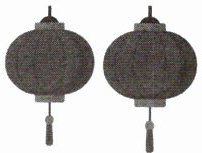 There are all kinds of lanterns, such as those in the shapes of animals, fruit, flowers and buildings. Some lanterns are even made to look like famous people or characters from stories. They are so beautiful and colorful.
Lantern-making is also a very popular Chinese folk art. Do you know how people make these colorful lanterns? He Weifu, a famous lantern maker in Shanghai, has the answer. To make a lantern, he creates a skeleton (骨架) first with iron wires (铁丝) and colored paper. This is the most difficult step. The skeletons are in different shapes. He often spends a long time in studying the animals and the characters he wants to make. After making the skeleton, he glues (粘贴) cloth onto it and draws pictures on the cloth.
His family has a long history of making lanterns. His grandfather, He Keming started making lanterns at the age of 13. One day, he went to see a Lantern Festival show. A dragon lantern caught his eyes. He looked at it carefully and tried to make one by himself. From then on, he was really into lantern-making and finally became very famous. He took up this folk art and keep at it all his life.
"I hope more people around the world can enjoy this great art," said He Weifu.
(
A. Stories.
B. Animals.
C. Flowers.
D. Lanterns.
(
A. What shape to choose.
B. How to glue cloth onto it.
C. How to create the skeleton.
D. What to draw on the cloth.
(
A. Why to make lanterns.
B. How to make lanterns.
C. When to make lanterns.
D. Where to make lanterns.
(
A. He Weifu's grandfather became famous at the age of 13.
B. He Weifu's family began to make lanterns a long time ago.
C. He Weifu went to see lantern show with his grandfather.
D. He Weifu learned to make lanterns from his grandfather.
(
A. Literature and Art.
B. Sports and Health.
C. Animals and Plants.
D. Science and Technology (技术).
People in China celebrate the Lantern Festival in many ways. The most important thing is to watch lantern shows.
There are all kinds of lanterns, such as those in the shapes of animals, fruit, flowers and buildings. Some lanterns are even made to look like famous people or characters from stories. They are so beautiful and colorful.Lantern-making is also a very popular Chinese folk art. Do you know how people make these colorful lanterns? He Weifu, a famous lantern maker in Shanghai, has the answer. To make a lantern, he creates a skeleton (骨架) first with iron wires (铁丝) and colored paper. This is the most difficult step. The skeletons are in different shapes. He often spends a long time in studying the animals and the characters he wants to make. After making the skeleton, he glues (粘贴) cloth onto it and draws pictures on the cloth.
His family has a long history of making lanterns. His grandfather, He Keming started making lanterns at the age of 13. One day, he went to see a Lantern Festival show. A dragon lantern caught his eyes. He looked at it carefully and tried to make one by himself. From then on, he was really into lantern-making and finally became very famous. He took up this folk art and keep at it all his life.
"I hope more people around the world can enjoy this great art," said He Weifu.
(
D
)1. What does the underlined word "They" in Paragraph 1 refer to (指代)?A. Stories.
B. Animals.
C. Flowers.
D. Lanterns.
(
C
)2. What's the most difficult step to make lanterns according to He Weifu?A. What shape to choose.
B. How to glue cloth onto it.
C. How to create the skeleton.
D. What to draw on the cloth.
(
B
)3. What does the writer mainly tell us in Paragraph 2?A. Why to make lanterns.
B. How to make lanterns.
C. When to make lanterns.
D. Where to make lanterns.
(
B
)4. What can we know from Paragraph 3?A. He Weifu's grandfather became famous at the age of 13.
B. He Weifu's family began to make lanterns a long time ago.
C. He Weifu went to see lantern show with his grandfather.
D. He Weifu learned to make lanterns from his grandfather.
(
A
)5. In which part of a magazine (杂志) can we read the text?A. Literature and Art.
B. Sports and Health.
C. Animals and Plants.
D. Science and Technology (技术).
答案
1. D
2. C
3. B
4. B
5. A
2. C
3. B
4. B
5. A
解析
【分析】
本篇是关于中国元宵节灯笼文化的英语阅读理解题,共5道题,分别考查词义猜测(指代类)、细节理解、主旨大意等能力。解题思路:1. 指代题需定位划线词所在句,向前文找对应的核心名词;2. 细节题要根据题干关键词定位原文,匹配对应信息;3. 主旨题需概括段落核心内容;4. 最后一题需结合文章主题判断所属杂志板块。
【解析】
1. 词义猜测题:第一段提到“There are all kinds of lanterns... They are so beautiful and colorful.”,划线词They指代前文的lanterns,故选D。
2. 细节理解题:根据第二段“To make a lantern... This is the most difficult step.”,this指代前文的“create a skeleton(制作骨架)”,即制作骨架是最难的步骤,故选C。
3. 主旨大意题:第二段围绕制作灯笼的步骤(做骨架、贴布、绘画)展开,核心是介绍如何制作灯笼,故选B。
4. 细节理解题:第三段第一句“His family has a long history of making lanterns.”对应选项B;A选项是祖父13岁开始做灯笼而非成名,C、D原文未提及,故选B。
5. 推理判断题:文章围绕中国传统灯笼制作艺术展开,属于文学艺术板块,故选A。
【答案】
1. D
2. C
3. B
4. B
5. A
【知识点】
英语阅读理解、细节理解题、主旨大意题
【点评】
本篇阅读理解围绕中国传统灯笼文化展开,题型以基础的词义猜测、细节理解、主旨大意为主,贴近生活,考查学生快速定位原文信息的能力,难度适中。
【难度系数】
0.7
本篇是关于中国元宵节灯笼文化的英语阅读理解题,共5道题,分别考查词义猜测(指代类)、细节理解、主旨大意等能力。解题思路:1. 指代题需定位划线词所在句,向前文找对应的核心名词;2. 细节题要根据题干关键词定位原文,匹配对应信息;3. 主旨题需概括段落核心内容;4. 最后一题需结合文章主题判断所属杂志板块。
【解析】
1. 词义猜测题:第一段提到“There are all kinds of lanterns... They are so beautiful and colorful.”,划线词They指代前文的lanterns,故选D。
2. 细节理解题:根据第二段“To make a lantern... This is the most difficult step.”,this指代前文的“create a skeleton(制作骨架)”,即制作骨架是最难的步骤,故选C。
3. 主旨大意题:第二段围绕制作灯笼的步骤(做骨架、贴布、绘画)展开,核心是介绍如何制作灯笼,故选B。
4. 细节理解题:第三段第一句“His family has a long history of making lanterns.”对应选项B;A选项是祖父13岁开始做灯笼而非成名,C、D原文未提及,故选B。
5. 推理判断题:文章围绕中国传统灯笼制作艺术展开,属于文学艺术板块,故选A。
【答案】
1. D
2. C
3. B
4. B
5. A
【知识点】
英语阅读理解、细节理解题、主旨大意题
【点评】
本篇阅读理解围绕中国传统灯笼文化展开,题型以基础的词义猜测、细节理解、主旨大意为主,贴近生活,考查学生快速定位原文信息的能力,难度适中。
【难度系数】
0.7
