

 登录
登录
C(2026·江苏泰州·期末)
A 1 to a report in Nature in January 2026, a small group of very smart dogs has amazed researchers. These dogs can learn the names of new objects just by l 2 to people talk—and this is something only young children usually do.
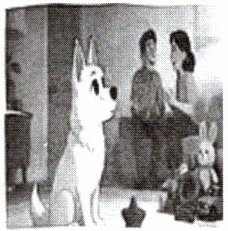
Unlike most dogs, who only u 3 simple orders like “sit” or “stay”, these gifted dogs can remember hundreds of toy names. Researchers tested ten such dogs. After they watched their owners chat with friends about new toys, seven t 4 of the dogs could find the correct ones. This showed they could learn names just by listening q 5. Even more surprisingly, most of them still knew the toys even when they were h 6 in closed boxes that you couldn't see through.
But how do they do it? S 7 don't fully know yet. What they do know is that these dogs give us a special c 8 to understand how animals—not humans—can pick up language-like skills. And this discovery is important because it shows that animal thinking is much more d 9 to understand than people thought before. In fact, dogs may understand words not just by training, but by paying close a 10 to human conversations—just like children do.
1.
2.
3.
4.
5.
6.
7.
8.
9.
10.
A 1 to a report in Nature in January 2026, a small group of very smart dogs has amazed researchers. These dogs can learn the names of new objects just by l 2 to people talk—and this is something only young children usually do.
Unlike most dogs, who only u 3 simple orders like “sit” or “stay”, these gifted dogs can remember hundreds of toy names. Researchers tested ten such dogs. After they watched their owners chat with friends about new toys, seven t 4 of the dogs could find the correct ones. This showed they could learn names just by listening q 5. Even more surprisingly, most of them still knew the toys even when they were h 6 in closed boxes that you couldn't see through.
But how do they do it? S 7 don't fully know yet. What they do know is that these dogs give us a special c 8 to understand how animals—not humans—can pick up language-like skills. And this discovery is important because it shows that animal thinking is much more d 9 to understand than people thought before. In fact, dogs may understand words not just by training, but by paying close a 10 to human conversations—just like children do.
1.
According
2.
listening
3.
understand
4.
tenths
5.
quietly
6.
hidden
7.
Scientists
8.
chance
9.
difficult
10.
attention
答案
1. According
2. listening
3. understand
4. tenths
5. quietly
6. hidden
7. Scientists
8. chance
9. difficult
10. attention
2. listening
3. understand
4. tenths
5. quietly
6. hidden
7. Scientists
8. chance
9. difficult
10. attention
解析
【分析】这是一篇英语完形填空,需结合上下文语境、固定搭配及语法知识,根据首字母提示填写合适单词。解题思路:先通读全文把握大意,再逐个分析空格处所需单词的词性,结合语境和固定搭配确定答案。
【解析】1. 固定搭配according to表示“根据”,符合语境,故填According;2. by为介词,后接动名词,结合“听人们说话”的语境,填listening;3. 主语most dogs为复数,谓语用原形,结合“理解指令”的语境,填understand;4. 固定搭配tenths of表示“十分之几”,此处指十分之七的狗,填tenths;5. 修饰动词listen用副词,结合语境填quietly;6. 此处为被动语态,be+过去分词,“藏在盒子里”对应hidden;7. 结合“科学家不完全知道”的语境,填Scientists;8. 固定搭配give sb a chance to do sth,填chance;9. 结合“更难理解”的语境,填difficult;10. 固定搭配pay attention to,填attention。
【答案】1. According 2. listening 3. understand 4. tenths 5. quietly 6. hidden 7. Scientists 8. chance 9. difficult 10. attention
【知识点】英语词汇运用、固定搭配、完形填空
【点评】本题为英语完形填空,考查学生对词汇、固定搭配及语境的综合运用能力,需结合上下文逻辑和语法规则解题。
【难度系数】0.5
【解析】1. 固定搭配according to表示“根据”,符合语境,故填According;2. by为介词,后接动名词,结合“听人们说话”的语境,填listening;3. 主语most dogs为复数,谓语用原形,结合“理解指令”的语境,填understand;4. 固定搭配tenths of表示“十分之几”,此处指十分之七的狗,填tenths;5. 修饰动词listen用副词,结合语境填quietly;6. 此处为被动语态,be+过去分词,“藏在盒子里”对应hidden;7. 结合“科学家不完全知道”的语境,填Scientists;8. 固定搭配give sb a chance to do sth,填chance;9. 结合“更难理解”的语境,填difficult;10. 固定搭配pay attention to,填attention。
【答案】1. According 2. listening 3. understand 4. tenths 5. quietly 6. hidden 7. Scientists 8. chance 9. difficult 10. attention
【知识点】英语词汇运用、固定搭配、完形填空
【点评】本题为英语完形填空,考查学生对词汇、固定搭配及语境的综合运用能力,需结合上下文逻辑和语法规则解题。
【难度系数】0.5
D
On hot summer days, ice cream sounds like a better choice than a bowl of hot noodles. In the past, a 1 Chinese people also enjoyed "ice cream" in summer. Let's look at some cool snacks they enjoyed.
Sushan(酥山) is a dish that looks like crushed(捣碎的) ice with milk and butter. Tang Dynasty poet Wang Lingran described how to make it in a poem: People added sugar to su and s 2 it into different forms. Sometimes, sushan was beautifully decorated with flowers and leaves. "It is neither solid(固体的) nor watery, and will melt in your mouth," Wang wrote. At that time, the special snack was only w 3 enjoying by royal families and rich nobles in summer. Many experts believe su shan was an early form of ice cream.
Although there were no fridges in the Tang Dynasty, it was very c 4 for rich families to use iceboxes to store ice cubes(冰块) in summer. At that time, people either d 5 ice water or ate shaved ice(刨冰). Later, in the Song Dynasty, people could e 6 buy iced drinks on the street. Some kind rich people even gave away ice water and medicine on the street. Ice water was often sold with mung beans or licorice(绿豆或甘草) to help people avoid g 7 sick from the heat.
At the same time, the weather in the Yellow River area during the Tang Dynasty was w 8 and wetter than it is today. So many cherry trees were p 9 there at that time. The fruit was common in early summer, and people often added cheese and cane syrup(甘蔗糖浆) to the cherries. When rich nobles had this special snack, they often used plates or bowls m 10 of gold to make the snack look more mouth-watering.
1.
6.
On hot summer days, ice cream sounds like a better choice than a bowl of hot noodles. In the past, a 1 Chinese people also enjoyed "ice cream" in summer. Let's look at some cool snacks they enjoyed.
Sushan(酥山) is a dish that looks like crushed(捣碎的) ice with milk and butter. Tang Dynasty poet Wang Lingran described how to make it in a poem: People added sugar to su and s 2 it into different forms. Sometimes, sushan was beautifully decorated with flowers and leaves. "It is neither solid(固体的) nor watery, and will melt in your mouth," Wang wrote. At that time, the special snack was only w 3 enjoying by royal families and rich nobles in summer. Many experts believe su shan was an early form of ice cream.
Although there were no fridges in the Tang Dynasty, it was very c 4 for rich families to use iceboxes to store ice cubes(冰块) in summer. At that time, people either d 5 ice water or ate shaved ice(刨冰). Later, in the Song Dynasty, people could e 6 buy iced drinks on the street. Some kind rich people even gave away ice water and medicine on the street. Ice water was often sold with mung beans or licorice(绿豆或甘草) to help people avoid g 7 sick from the heat.
At the same time, the weather in the Yellow River area during the Tang Dynasty was w 8 and wetter than it is today. So many cherry trees were p 9 there at that time. The fruit was common in early summer, and people often added cheese and cane syrup(甘蔗糖浆) to the cherries. When rich nobles had this special snack, they often used plates or bowls m 10 of gold to make the snack look more mouth-watering.
1.
ancient
2. shaped
3. worth
4. common
5. drank
6.
easily
7. getting
8. warmer
9. planted
10. made
答案
1. ancient
2. shaped
3. worth
4. common
5. drank
6. easily
7. getting
8. warmer
9. planted
10. made
2. shaped
3. worth
4. common
5. drank
6. easily
7. getting
8. warmer
9. planted
10. made
解析
【分析】
本题是一篇介绍中国古代夏季冰食文化的英语完形填空,解题思路如下:1. 通读全文,明确文章主旨是讲述古代中国夏季的特色冰食及相关习俗;2. 逐空分析:结合上下文语境判断所需词性,再依据固定搭配、语法规则(时态、比较级、非谓语等)确定单词,同时注意单词形式的正确性;3. 最后核对答案,确保符合语义和语法要求。
【解析】
1. 空1:后文提到唐朝的冰食,此处指“古代的中国人”,填形容词ancient;
2. 空2:固定搭配shape...into...(把...塑造成...),结合过去时态,填shaped;
3. 空3:固定搭配be worth doing(值得做),表示“只有皇室贵族值得享用”,填worth;
4. 空4:结合语境,唐朝富裕家庭用冰盒存冰是很常见的,填形容词common;
5. 空5:时态为一般过去时,“喝冰水”用drink的过去式drank;
6. 空6:修饰动词buy用副词,宋朝能很容易买到冰饮,填easily;
7. 空7:固定搭配avoid doing sth(避免做某事),“避免生病”填getting;
8. 空8:由than可知用比较级,黄河流域当时比现在更暖,填warmer;
9. 空9:被动语态,“树被种植”用plant的过去分词planted;
10. 空10:固定搭配made of(由...制成),“金制的碗碟”填made。
【答案】
1. ancient
2. shaped
3. worth
4. common
5. drank
6. easily
7. getting
8. warmer
9. planted
10. made
【知识点】
英语完形填空、固定搭配、动词时态语态
【点评】
本题围绕中国古代冰食文化展开,考查学生对语境的理解、固定搭配的掌握及基础语法的运用,难度适中,需结合文章背景和语言知识解题。
【难度系数】
0.5
本题是一篇介绍中国古代夏季冰食文化的英语完形填空,解题思路如下:1. 通读全文,明确文章主旨是讲述古代中国夏季的特色冰食及相关习俗;2. 逐空分析:结合上下文语境判断所需词性,再依据固定搭配、语法规则(时态、比较级、非谓语等)确定单词,同时注意单词形式的正确性;3. 最后核对答案,确保符合语义和语法要求。
【解析】
1. 空1:后文提到唐朝的冰食,此处指“古代的中国人”,填形容词ancient;
2. 空2:固定搭配shape...into...(把...塑造成...),结合过去时态,填shaped;
3. 空3:固定搭配be worth doing(值得做),表示“只有皇室贵族值得享用”,填worth;
4. 空4:结合语境,唐朝富裕家庭用冰盒存冰是很常见的,填形容词common;
5. 空5:时态为一般过去时,“喝冰水”用drink的过去式drank;
6. 空6:修饰动词buy用副词,宋朝能很容易买到冰饮,填easily;
7. 空7:固定搭配avoid doing sth(避免做某事),“避免生病”填getting;
8. 空8:由than可知用比较级,黄河流域当时比现在更暖,填warmer;
9. 空9:被动语态,“树被种植”用plant的过去分词planted;
10. 空10:固定搭配made of(由...制成),“金制的碗碟”填made。
【答案】
1. ancient
2. shaped
3. worth
4. common
5. drank
6. easily
7. getting
8. warmer
9. planted
10. made
【知识点】
英语完形填空、固定搭配、动词时态语态
【点评】
本题围绕中国古代冰食文化展开,考查学生对语境的理解、固定搭配的掌握及基础语法的运用,难度适中,需结合文章背景和语言知识解题。
【难度系数】
0.5
