

 登录
1. 根据句意,用should或shouldn’t填空,完成句子。
(1) He feels tired. He have a rest.
(2) Matt is fat (胖的). He eat healthy food.
(3) We run in the library.
(4) The boy is thirsty. He drink some water.
(5) We run by the swimming pool. It’s dangerous.
(6) She is ill. She play football today.
(7) Bobby, you keep your room clean and tidy.
(8) You look out of the window in class.
答案
(1) should (2) should (3) shouldn't (4) should (5) shouldn't (6) shouldn't (7) should (8) shouldn't
解析
本题考查情态动词should和shouldn't的用法:should意为“应该”,用来给出合理建议、描述应当去做的正确的事;shouldn't是should not的缩写,意为“不应该”,用来描述不该做、违反规则或存在危险的事。结合每句语境判断:
1. 他感到累,休息是合理正确的选择,用should;
2. Matt很胖,吃健康食物是对他有益的合理建议,用should;
3. 图书馆内需要保持安静,奔跑是不符合规则的不当行为,用shouldn't;
4. 男孩口渴,喝水是正确的应对做法,用should;
5. 在泳池边奔跑很危险,是不能做的事,用shouldn't;
6. 她生病了,踢足球不利于身体恢复,是不该做的事,用shouldn't;
7. 保持房间干净整洁是应当养成的好习惯,用should;
8. 上课往窗外看违反课堂纪律,是不该做的事,用shouldn't。
1. 他感到累,休息是合理正确的选择,用should;
2. Matt很胖,吃健康食物是对他有益的合理建议,用should;
3. 图书馆内需要保持安静,奔跑是不符合规则的不当行为,用shouldn't;
4. 男孩口渴,喝水是正确的应对做法,用should;
5. 在泳池边奔跑很危险,是不能做的事,用shouldn't;
6. 她生病了,踢足球不利于身体恢复,是不该做的事,用shouldn't;
7. 保持房间干净整洁是应当养成的好习惯,用should;
8. 上课往窗外看违反课堂纪律,是不该做的事,用shouldn't。
2. 根据图片和句意填空。
(1) You . You may hurt him.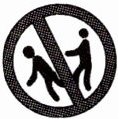
(2) on the road. It’s not safe.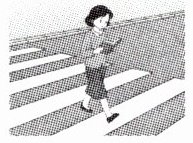
(3) You’re right. We .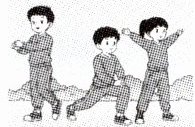
(4) You , Linlin. The soup is very hot.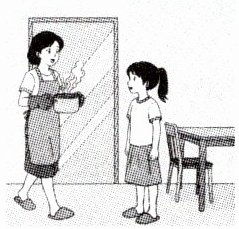
(1) You . You may hurt him.
(2) on the road. It’s not safe.
(3) You’re right. We .
(4) You , Linlin. The soup is very hot.
答案
(1) mustn't push him
(2) Don't read
(3) should warm up before exercising
(4) mustn't touch it(答案符合语法和图意即可,合理即可得分)
(2) Don't read
(3) should warm up before exercising
(4) mustn't touch it(答案符合语法和图意即可,合理即可得分)
解析
【解析】
(1) 结合插图禁止推人的标识和后句“你可能会伤到他”的句意,此处要表达“你禁止推他”,用情态动词mustn't后接动词短语push him。
(2) 结合插图路人在马路上看书的场景和后句“这不安全”的句意,此处要表达“不要在马路上看书”,是祈使句的否定形式,结构为Don't+动词原形read。
(3) 结合插图人物运动前热身的场景和前句“你是对的”的句意,此处要表达“我们应该在锻炼前热身”,用情态动词should后接动词短语warm up before exercising。
(4) 结合插图大人端着热汤提醒孩子的场景和后句“汤很烫”的句意,此处要表达“你禁止碰它”,用情态动词mustn't后接动词短语touch it。
本题答案符合语法和图片表意、逻辑通顺即可得分。
【答案】
(1) mustn't push him
(2) Don't read
(3) should warm up before exercising
(4) mustn't touch it(合理即可)
【知识点】
情态动词用法
祈使句否定结构
图文匹配表达
【点评】
本题结合图片提示考查情态动词和祈使句的实际运用,既检验学生对基础语法的掌握程度,也锻炼学生结合场景理解语义、组织正确表达的能力,答案设置灵活,符合日常英语运用的要求。
【难度系数】
0.7
读一读动物园的安全告示,模仿范例,改写句子。
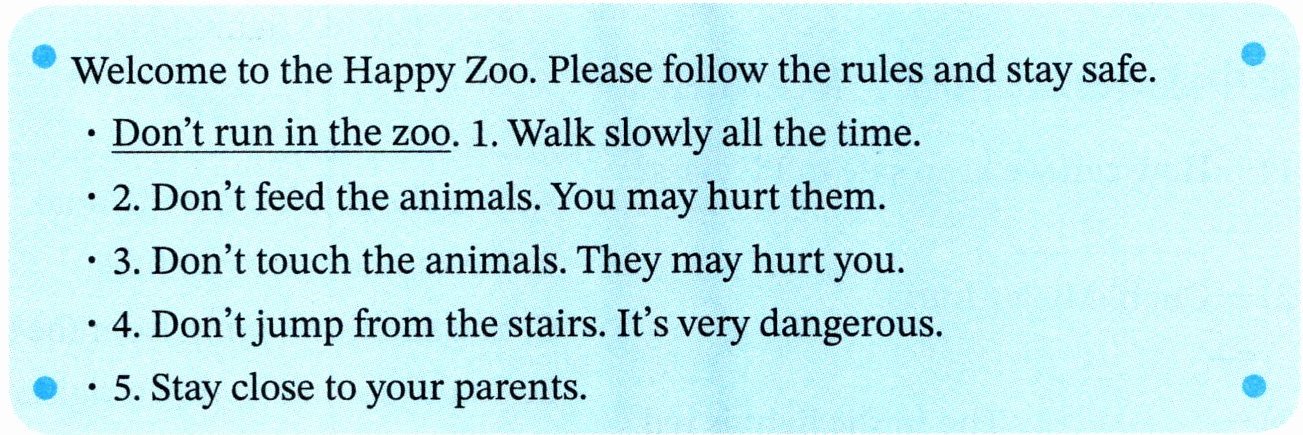
例句:Don’t run in the zoo. → You shouldn’t run in the zoo.
1. Walk slowly all the time.
2. Don’t feed the animals.
3. Don’t touch the animals.
4. Don’t jump from the stairs.
5. Stay close to your parents.
例句:Don’t run in the zoo. → You shouldn’t run in the zoo.
1. Walk slowly all the time.
2. Don’t feed the animals.
3. Don’t touch the animals.
4. Don’t jump from the stairs.
5. Stay close to your parents.
答案
1. You should walk slowly all the time.
2. You shouldn't feed the animals.
3. You shouldn't touch the animals.
4. You shouldn't jump from the stairs.
5. You should stay close to your parents.
2. You shouldn't feed the animals.
3. You shouldn't touch the animals.
4. You shouldn't jump from the stairs.
5. You should stay close to your parents.
解析
这道题考察祈使句转换为含情态动词should/shouldn't的建议句的规则:参考范例可知,否定祈使句"Don't + 动词原形"要改写为"You shouldn't + 动词原形"的结构;肯定祈使句直接在句首添加"You should",保留后续的动词和其余内容即可。
