

 登录
登录
Ⅰ. Complete the passage with proper words or the proper form of the words given.
When I was eight, I got a book about stars. That was the beginning of my lifetime hobby.
I often went outside with my mum on clear nights 1.
Studying the stars was great fun for me. Once I 5.
Actually, your hobby can 9.
When I was eight, I got a book about stars. That was the beginning of my lifetime hobby.
I often went outside with my mum on clear nights 1.
and
looked at the sky. In different 2.seasons
(season), we saw different groups of stars. Sometimes we saw stars shining 3.brightly/bright
(bright) across the sky. 4.How
beautiful they were!Studying the stars was great fun for me. Once I 5.
learnt
(learn) a little about them, I wanted to know even more. I borrowed more star books from the library and even kept a small notebook 6.to write
(write) down what I found. Now this hobby has become my job! I work on 7.a
TV programme called *The Sky at Night*. I am proud of my TV programme—it has lasted 8.for
more than 50 years!Actually, your hobby can 9.
be turned/turn
(turn) into your career, too. Whether it’s drawing, playing sports, or even watching stars, anyone can make 10.their
(they) dreams come true. You just need to keep enjoying what you love to do!答案
Ⅰ. 1. and 2. seasons 3. brightly/bright 4. How 5. learnt
6. to write 7. a 8. for 9. be turned/turn 10. their
6. to write 7. a 8. for 9. be turned/turn 10. their
解析
【分析】
这道题是一篇记叙文,讲述作者从爱好观星到将其发展为职业的经历,需结合语境和语法知识完成填空。解题思路如下:
1. 第1空:前后“went outside”和“looked at the sky”是并列动作,需用并列连词连接。
2. 第2空:“different”后接可数名词复数,要把“season”变为复数形式。
3. 第3空:修饰动词“shining”,通常用副词,“bright”的副词是“brightly”,同时“bright”也可作副词表“明亮地”,两种形式都符合要求。
4. 第4空:句末是感叹号,后面是形容词“beautiful”,感叹句中修饰形容词用“How”引导。
5. 第5空:文章讲述过去的经历,动词“learn”要用过去式。
6. 第6空:“保留笔记本”的目的是“记录发现”,需用不定式作目的状语。
7. 第7空:“TV programme”是可数名词单数,且以辅音音素开头,用不定冠词“a”泛指一个节目。
8. 第8空:后面是时间段“more than 50 years”,表示持续时长,用介词“for”。
9. 第9空:“hobby”和“turn into”可构成被动关系,用被动语态“be turned”;同时“turn into”主动形式也可表被动含义,所以“turn”也正确。
10. 第10空:修饰名词“dreams”,需用形容词性物主代词,将“they”转换为“their”。
【解析】
1. 第1空:“went outside”与“looked at the sky”是并列动作,用并列连词and连接。
2. 第2空:“different”后接可数名词复数,“season”的复数形式为seasons。
3. 第3空:修饰动词“shining”,可用副词“brightly”;“bright”也可作副词表“明亮地”,故填brightly/bright。
4. 第4空:感叹句中修饰形容词“beautiful”,用How引导(首字母大写)。
5. 第5空:文章叙述过去的经历,动词“learn”用过去式learnt。
6. 第6空:此处表“保留笔记本的目的”,用不定式作目的状语,填to write。
7. 第7空:泛指一档电视节目,“TV programme”以辅音音素开头,用不定冠词a。
8. 第8空:表示持续的时间段,用介词for。
9. 第9空:“hobby”可被转变为职业,用被动语态“be turned”;“turn into”主动形式也可表被动,故填be turned/turn。
10. 第10空:修饰名词“dreams”,用形容词性物主代词their。
【答案】
Ⅰ. 1. and 2. seasons 3. brightly/bright 4. How 5. learnt
6. to write 7. a 8. for 9. be turned/turn 10. their
【知识点】
1. 词形转换
2. 虚词用法
3. 感叹句与语态
【点评】
这道题围绕“爱好变职业”的话题,考查初中英语核心语法,涵盖词形变化、虚词运用、感叹句结构及语态等知识点,既要求学生结合语境理解文意,又需熟练掌握基础语法规则,是对英语综合能力的基础考查。
【难度系数】
0.6
这道题是一篇记叙文,讲述作者从爱好观星到将其发展为职业的经历,需结合语境和语法知识完成填空。解题思路如下:
1. 第1空:前后“went outside”和“looked at the sky”是并列动作,需用并列连词连接。
2. 第2空:“different”后接可数名词复数,要把“season”变为复数形式。
3. 第3空:修饰动词“shining”,通常用副词,“bright”的副词是“brightly”,同时“bright”也可作副词表“明亮地”,两种形式都符合要求。
4. 第4空:句末是感叹号,后面是形容词“beautiful”,感叹句中修饰形容词用“How”引导。
5. 第5空:文章讲述过去的经历,动词“learn”要用过去式。
6. 第6空:“保留笔记本”的目的是“记录发现”,需用不定式作目的状语。
7. 第7空:“TV programme”是可数名词单数,且以辅音音素开头,用不定冠词“a”泛指一个节目。
8. 第8空:后面是时间段“more than 50 years”,表示持续时长,用介词“for”。
9. 第9空:“hobby”和“turn into”可构成被动关系,用被动语态“be turned”;同时“turn into”主动形式也可表被动含义,所以“turn”也正确。
10. 第10空:修饰名词“dreams”,需用形容词性物主代词,将“they”转换为“their”。
【解析】
1. 第1空:“went outside”与“looked at the sky”是并列动作,用并列连词and连接。
2. 第2空:“different”后接可数名词复数,“season”的复数形式为seasons。
3. 第3空:修饰动词“shining”,可用副词“brightly”;“bright”也可作副词表“明亮地”,故填brightly/bright。
4. 第4空:感叹句中修饰形容词“beautiful”,用How引导(首字母大写)。
5. 第5空:文章叙述过去的经历,动词“learn”用过去式learnt。
6. 第6空:此处表“保留笔记本的目的”,用不定式作目的状语,填to write。
7. 第7空:泛指一档电视节目,“TV programme”以辅音音素开头,用不定冠词a。
8. 第8空:表示持续的时间段,用介词for。
9. 第9空:“hobby”可被转变为职业,用被动语态“be turned”;“turn into”主动形式也可表被动,故填be turned/turn。
10. 第10空:修饰名词“dreams”,用形容词性物主代词their。
【答案】
Ⅰ. 1. and 2. seasons 3. brightly/bright 4. How 5. learnt
6. to write 7. a 8. for 9. be turned/turn 10. their
【知识点】
1. 词形转换
2. 虚词用法
3. 感叹句与语态
【点评】
这道题围绕“爱好变职业”的话题,考查初中英语核心语法,涵盖词形变化、虚词运用、感叹句结构及语态等知识点,既要求学生结合语境理解文意,又需熟练掌握基础语法规则,是对英语综合能力的基础考查。
【难度系数】
0.6
Ⅱ. Read and complete the tasks.
A. Complete the cloze test.
It was Donna’s first day of band practice. Her dad and mum had got her a 1 and a music book. Donna had tried to play the violin, 2 her music didn’t sound very good. Her dad 3 her, though. He said that nobody sounded very good when they first started to play an instrument. Mum said if Donna faced difficulties 4 and practised every day, she would learn to play well.
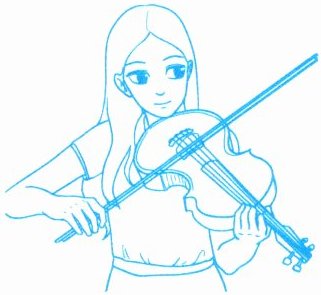
Donna hurried to the 5 room as soon as school was over. She wasn’t the only one. There were about twenty other 6 there, each with an instrument. Mrs Taylor, the band director, asked everyone to have a seat. When all of the students were seated, Mrs Taylor 7 the music books. Everyone got one. Then, she asked if anyone had tried to play their 8. Donna and a few other students raised their hands.
“I’m glad you’ve started to practise because daily practice is very 9,” said Mrs Taylor. “So is having fun, but don’t practise for too long at a time. Now, let’s get started.”
Mrs Taylor taught everyone the notes they would need to know. She also taught them some songs and asked them to 10 those songs at home. Then, she asked if anyone had any questions.
“I have a question,” Donna said. “I tried to play the violin earlier this week, and the music didn’t sound good at all. What am I doing wrong?”
“Probably 11,” Mrs Taylor answered. “It takes everybody a while to play well. Practise your notes and these songs every day. I’m sure you’ll sound 12 very soon.”
Donna wasn’t sure she could ever sound good. But she decided to at least try. 13, after a few weeks, she was playing better. Soon, she could play songs she 14 thought she could play. “I really like the violin.” Donna decided, “Maybe I’ll even be a 15.” She was glad she hadn’t given up after that first try.
(
B. drum
C. piano
D. guitar
(
B. but
C. because
D. or
(
B. changed
C. encouraged
D. showed
(
B. quickly
C. bravely
D. tiredly
(
B. science
C. art
D. music
(
B. kids
C. parents
D. workers
(
B. bought
C. borrowed
D. read
(
B. instruments
C. screens
D. phones
(
B. important
C. popular
D. relaxing
(
B. sing
C. write
D. hear
(
B. something
C. anything
D. nothing
(
B. softer
C. louder
D. noisier
(
B. For example
C. To her surprise
D. As a result
(
B. often
C. sometimes
D. never
(
B. painter
C. writer
D. musician
A. Complete the cloze test.
It was Donna’s first day of band practice. Her dad and mum had got her a 1 and a music book. Donna had tried to play the violin, 2 her music didn’t sound very good. Her dad 3 her, though. He said that nobody sounded very good when they first started to play an instrument. Mum said if Donna faced difficulties 4 and practised every day, she would learn to play well.
Donna hurried to the 5 room as soon as school was over. She wasn’t the only one. There were about twenty other 6 there, each with an instrument. Mrs Taylor, the band director, asked everyone to have a seat. When all of the students were seated, Mrs Taylor 7 the music books. Everyone got one. Then, she asked if anyone had tried to play their 8. Donna and a few other students raised their hands.
“I’m glad you’ve started to practise because daily practice is very 9,” said Mrs Taylor. “So is having fun, but don’t practise for too long at a time. Now, let’s get started.”
Mrs Taylor taught everyone the notes they would need to know. She also taught them some songs and asked them to 10 those songs at home. Then, she asked if anyone had any questions.
“I have a question,” Donna said. “I tried to play the violin earlier this week, and the music didn’t sound good at all. What am I doing wrong?”
“Probably 11,” Mrs Taylor answered. “It takes everybody a while to play well. Practise your notes and these songs every day. I’m sure you’ll sound 12 very soon.”
Donna wasn’t sure she could ever sound good. But she decided to at least try. 13, after a few weeks, she was playing better. Soon, she could play songs she 14 thought she could play. “I really like the violin.” Donna decided, “Maybe I’ll even be a 15.” She was glad she hadn’t given up after that first try.
(
A
)1. A. violinB. drum
C. piano
D. guitar
(
B
)2. A. andB. but
C. because
D. or
(
C
)3. A. followedB. changed
C. encouraged
D. showed
(
C
)4. A. carefullyB. quickly
C. bravely
D. tiredly
(
D
)5. A. computerB. science
C. art
D. music
(
B
)6. A. teachersB. kids
C. parents
D. workers
(
A
)7. A. passedB. bought
C. borrowed
D. read
(
B
)8. A. bandsB. instruments
C. screens
D. phones
(
B
)9. A. specialB. important
C. popular
D. relaxing
(
A
)10. A. practiseB. sing
C. write
D. hear
(
D
)11. A. everythingB. something
C. anything
D. nothing
(
A
)12. A. betterB. softer
C. louder
D. noisier
(
C
)13. A. At the same timeB. For example
C. To her surprise
D. As a result
(
D
)14. A. alwaysB. often
C. sometimes
D. never
(
D
)15. A. dancerB. painter
C. writer
D. musician
答案
Ⅱ. A. 1. A 2. B 3. C 4. C 5. D 6. B 7. A 8. B
9. B 10. A 11. D 12. A 13. C 14. D 15. D
9. B 10. A 11. D 12. A 13. C 14. D 15. D
解析
【分析】
解题时首先要通读全文,了解文章大意:本文讲述了Donna第一天参加乐队练习,学习小提琴的经历,从一开始拉不好到坚持练习后有所进步的故事。然后逐个分析每个空:
1. 后文提到“Donna had tried to play the violin”,可根据这个上下文线索确定父母给她的乐器是小提琴;
2. 前半句说尝试拉小提琴,后半句说声音不好听,两句是转折关系,需选择转折连词;
3. 根据后文爸爸说的“nobody sounded very good when they first started”,可知爸爸是在鼓励她,结合词义判断合适选项;
4. 妈妈说要勇敢面对困难,结合语境选择匹配的副词;
5. 乐队练习的场景对应音乐教室,根据场景判断地点;
6. 学校的乐队成员是学生,结合场景确定群体;
7. 根据“Everyone got one”可知老师是在分发乐谱书,结合动作含义判断词汇;
8. 前文提到“each with an instrument”,这里问的是有没有尝试演奏自己的乐器,结合上下文确定答案;
9. 结合语境可知日常练习是非常重要的,根据词汇含义判断;
10. 老师教了歌曲,要求大家在家练习这些歌曲,结合语境确定动作;
11. 根据后文“It takes everybody a while to play well”,可知老师说她没做错什么,结合词义判断;
12. 根据前文拉不好的铺垫,老师说练习后演奏水平会变得更好,结合语境判断;
13. 前文Donna不确定自己能变好,几周后她拉得更好了,这是令她惊讶的事,结合短语含义判断;
14. 她能演奏之前从来没想过自己能演奏的歌曲,结合词义判断;
15. 她喜欢小提琴,对应的职业是音乐家,结合职业匹配判断。
【解析】
1. 根据后文“Donna had tried to play the violin”可知,父母给她的是小提琴,故选A。
2. 前句“尝试拉小提琴”和后句“音乐听起来不好”是转折关系,but表示转折,故选B。
3. 根据爸爸说的“nobody sounded very good when they first started to play an instrument”,可知爸爸在鼓励她,encouraged意为“鼓励”,故选C。
4. 根据语境,妈妈说要勇敢面对困难,bravely意为“勇敢地”,符合语境,故选C。
5. 乐队练习的地点是音乐教室,music room符合场景,故选D。
6. 学校乐队的成员是学生,也就是kids,故选B。
7. 根据“Everyone got one”可知老师是分发乐谱书,passed意为“传递,分发”,故选A。
8. 前文提到“each with an instrument”,这里问的是有没有尝试演奏自己的乐器,故选B。
9. 根据语境,日常练习是非常重要的,important意为“重要的”,故选B。
10. 老师教了歌曲,要求大家在家练习这些歌曲,practise意为“练习”,故选A。
11. 根据后文“It takes everybody a while to play well”,可知老师说她没做错什么,nothing意为“没有什么”,故选D。
12. 根据语境,练习后演奏水平会变得更好,better意为“更好的”,故选A。
13. 前文Donna不确定自己能变好,几周后她拉得更好了,这是令她惊讶的事,To her surprise意为“令她惊讶的是”,故选C。
14. 她能演奏之前从来没想过自己能演奏的歌曲,never意为“从不”,故选D。
15. 她喜欢小提琴,想要成为音乐家,musician意为“音乐家”,故选D。
【答案】
Ⅱ. A. 1. A 2. B 3. C 4. C 5. D 6. B 7. A 8. B
9. B 10. A 11. D 12. A 13. C 14. D 15. D
【知识点】
1. 上下文语境理解
2. 词汇词义辨析
3. 完形填空解题技巧
【点评】
本文围绕Donna学习小提琴的经历展开,贴近学生生活,题目主要考查对上下文语境的理解和词汇的辨析,需要学生结合文章情节和词汇含义进行判断,有助于提升学生的语篇理解能力和词汇运用能力。
【难度系数】
0.6
解题时首先要通读全文,了解文章大意:本文讲述了Donna第一天参加乐队练习,学习小提琴的经历,从一开始拉不好到坚持练习后有所进步的故事。然后逐个分析每个空:
1. 后文提到“Donna had tried to play the violin”,可根据这个上下文线索确定父母给她的乐器是小提琴;
2. 前半句说尝试拉小提琴,后半句说声音不好听,两句是转折关系,需选择转折连词;
3. 根据后文爸爸说的“nobody sounded very good when they first started”,可知爸爸是在鼓励她,结合词义判断合适选项;
4. 妈妈说要勇敢面对困难,结合语境选择匹配的副词;
5. 乐队练习的场景对应音乐教室,根据场景判断地点;
6. 学校的乐队成员是学生,结合场景确定群体;
7. 根据“Everyone got one”可知老师是在分发乐谱书,结合动作含义判断词汇;
8. 前文提到“each with an instrument”,这里问的是有没有尝试演奏自己的乐器,结合上下文确定答案;
9. 结合语境可知日常练习是非常重要的,根据词汇含义判断;
10. 老师教了歌曲,要求大家在家练习这些歌曲,结合语境确定动作;
11. 根据后文“It takes everybody a while to play well”,可知老师说她没做错什么,结合词义判断;
12. 根据前文拉不好的铺垫,老师说练习后演奏水平会变得更好,结合语境判断;
13. 前文Donna不确定自己能变好,几周后她拉得更好了,这是令她惊讶的事,结合短语含义判断;
14. 她能演奏之前从来没想过自己能演奏的歌曲,结合词义判断;
15. 她喜欢小提琴,对应的职业是音乐家,结合职业匹配判断。
【解析】
1. 根据后文“Donna had tried to play the violin”可知,父母给她的是小提琴,故选A。
2. 前句“尝试拉小提琴”和后句“音乐听起来不好”是转折关系,but表示转折,故选B。
3. 根据爸爸说的“nobody sounded very good when they first started to play an instrument”,可知爸爸在鼓励她,encouraged意为“鼓励”,故选C。
4. 根据语境,妈妈说要勇敢面对困难,bravely意为“勇敢地”,符合语境,故选C。
5. 乐队练习的地点是音乐教室,music room符合场景,故选D。
6. 学校乐队的成员是学生,也就是kids,故选B。
7. 根据“Everyone got one”可知老师是分发乐谱书,passed意为“传递,分发”,故选A。
8. 前文提到“each with an instrument”,这里问的是有没有尝试演奏自己的乐器,故选B。
9. 根据语境,日常练习是非常重要的,important意为“重要的”,故选B。
10. 老师教了歌曲,要求大家在家练习这些歌曲,practise意为“练习”,故选A。
11. 根据后文“It takes everybody a while to play well”,可知老师说她没做错什么,nothing意为“没有什么”,故选D。
12. 根据语境,练习后演奏水平会变得更好,better意为“更好的”,故选A。
13. 前文Donna不确定自己能变好,几周后她拉得更好了,这是令她惊讶的事,To her surprise意为“令她惊讶的是”,故选C。
14. 她能演奏之前从来没想过自己能演奏的歌曲,never意为“从不”,故选D。
15. 她喜欢小提琴,想要成为音乐家,musician意为“音乐家”,故选D。
【答案】
Ⅱ. A. 1. A 2. B 3. C 4. C 5. D 6. B 7. A 8. B
9. B 10. A 11. D 12. A 13. C 14. D 15. D
【知识点】
1. 上下文语境理解
2. 词汇词义辨析
3. 完形填空解题技巧
【点评】
本文围绕Donna学习小提琴的经历展开,贴近学生生活,题目主要考查对上下文语境的理解和词汇的辨析,需要学生结合文章情节和词汇含义进行判断,有助于提升学生的语篇理解能力和词汇运用能力。
【难度系数】
0.6
