

 登录
登录
四、阅读理解(共15小题,每小题2分,满分30分)
A
Interest in Bird - watching Has Grown in Shanghai
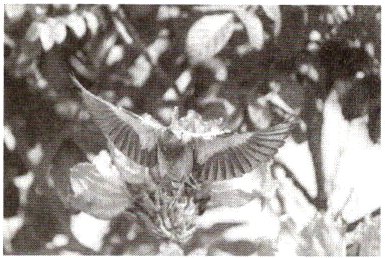
Curiosity about birds has inspired people to take up bird - watching. Many take it as an opportunity to spend time outdoors and get close to nature. A group of 10 birders joined a beginners’ session at Century Park in Pudong on a recent trip. Led by Zheng Yihui, an avian ecologist, the group that consists mainly of parents with school children walked around the park. Zheng stopped every now and then, pointing at birds on the branches of trees, or swimming in the pond.
Silk Road Culture Glorifies Northwest Mountain
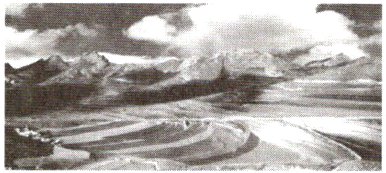
Cheng Yaodong, a part - time tourist guide, has told hundreds of tourists about the history of Xiaoguan Pass in Liupan Mountain. “Tourism helps people better understand Guyuan’s role in the history of the Silk Road and the rich culture it has developed over 2,000 years of interaction with ethnic groups and foreign merchants,” says Cheng. “By popularizing ancient Silk Road culture, we have promoted local tourism and boosted the economy.”
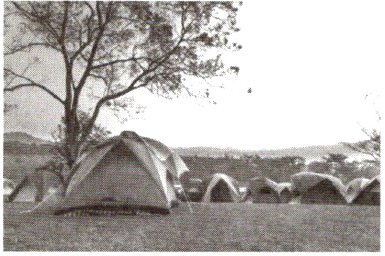
China’s camping market has been growing rapidly as more people turn to short - distance leisure camping. “The year 2020 can be seen as the first year of the camping market, and the market size has begun to explode since this year,” says Zhang Yi, who is in charge of six camping bases. Huzhou became one of the first to officially regulate construction standards and the safety supervision of camping sites. Beijing and Nanjing have also introduced related policies for the healthy development of the industry.
51. In which section of the newspaper can we read the news?
A. TRAVEL. B. WORLD.
C. CULTURE. D. EDUCATION.
52. Many people take up bird - watching NOT because _________.
A. it is an opportunity to get close to nature
B. it is a great start in understanding nature
C. it makes people want to know more about birds
D. it stops people from spending time with family members
53. It’s true that _________.
A. few tourists have visited Xiaoguan Pass in Liupan Mountain
B. Cheng Yaodong knows nothing about Silk Road culture
C. it is useless to spread ancient Silk Road culture
D. tourism helps people better understand the history of the Silk Road
54. What would be the best heading for the third piece of news?
A. Outdoor Camping Sites B. Short - distance Leisure Camping
C. China’s Camping Market D. Outdoor Activities
55. What do all the pieces of news above have in common?
A. All the areas are heavily dependent on tourism.
B. Tourism puts pressure on local environment.
C. There is a growing need for tourist guides.
D. Tourism helps people enjoy the colorful life.
B
Sally didn’t know what was wrong with her grandma. She was always forgetting things, like where she put the sugar and what time to have dinner.
“She might have Alzheimer’s disease(阿尔茨海默病),” her mother said. “We might have to put her in a nursing home so that she can get proper care.”
“Oh, that’s terrible! She’ll miss her own house!” Sally said.
“Maybe, but we can see her on weekends,” her mother answered. “We can bring her presents.”
“Like ice cream? Grandma loves strawberry ice cream!” Sally said.
The first time they visited Grandma, Sally wanted to cry. Grandma sat all by herself in the corner of the room. Sally hugged Grandma. “Look,” she said, “we brought you strawberry ice cream!” Grandma took it and began to eat without saying a word.
“She doesn’t seem to know us,” Sally was upset. “You have to give her time,” her mother said. But the next time it was the same. Grandma ate the ice cream, but didn’t say anything.
“Grandma, do you know who I am?” Sally asked.
“You’re the girl who brings me the ice cream,” Grandma said.
“Yes, but I’m Sally, your granddaughter. Don’t you remember me?”
“Sure. You’re the girl who brings me the ice cream.”
All of a sudden, Sally realized that Grandma would never remember her.
“Oh, how I love you, Grandma!” Sally said. Just then she saw a tear roll down Grandma’s cheek. “Love,” she said. “I remember love.”
“You see, dear, that’s all she wants,” her mother said. “Love.”
“I’ll bring her ice cream every weekend then, and hug her even if she doesn’t remember me,” Sally said.
After all, remembering love is more important than just being able to remember a name.
56. What was the matter with Sally’s grandma?
A. She had a really bad memory.
B. She left sugar everywhere while cooking.
C. She always sat all by herself in the corner of the room.
D. She ate too much junk food, such as ice cream.
57. Why did Sally want to cry the first time the family visited Grandma?
A. Because Grandma refused to eat ice cream.
B. Because Grandma was badly treated in the nursing home.
C. Because Grandma cried very sadly.
D. Because Grandma looked quite lonely.
58. From the passage, we can know that Sally is _________.
A. calm and serious
B. kind and outgoing
C. honest and easygoing
D. loving and thoughtful
59. What happened at the end of the story?
A. Grandma would be taken to the hospital for the better treatment.
B. Sally didn’t mind whether Grandma could remember her or not at last.
C. Sally still wished that Grandma would think of her.
D. Grandma completely changed her lifestyle.
60. The best title for the passage should be “________”.
A. Power of Ice Cream
B. Never Forget Me
C. Alzheimer’s Disease
D. Love Always Remains
C
Billy Mills, a native American, was born and raised on a reservation in the United States. Childhood was not easy for Billy. His family was not well off. He lost his mother when he was seven, and his father passed away five years later. After his father’s death, Billy was sent to a boarding school. At school, Billy started running to help him forget his problems. To his amazement, he found that he had a talent for running and broke a number of high school records. As a result of his running, he was given an athletic scholarship to the University of Kansas.
At the University of Kansas, Billy continued to win many competitions. After graduation, he focused(投入)on military(军事)life, but he soon returned to running. He did well enough to race in the 1964 Tokyo Olympics in the 10,000 meters and marathon events.
Although he was in the US team, many people did not expect anything from Billy. In the 10,000 meters, Billy was almost a minute slower than the favorite, Ron Clarke of Australia. The other favorite to win the Olympic gold was Mohammad Gammoudi of Tunisia. The rest of the runners included Olympic gold and world record holders. All eyes were focused on the front runners, not on Billy.
When the race started, everyone was surprised to see Billy Mills at the front with Ron Clarke. For much of the race, the two ran together with Gammoudi just behind them. ★, and the crowd expected Mills to tire and slow down.
Near the end of the race, Gammoudi ran between Clarke and Mills and pushed them aside. The two of them almost fell over and Mills dropped behind into third place. However, Mills was determined not to lose. He raced ahead to win the gold, and set an Olympic 10,000 - meter record. He was the first native American to win the Olympic 10,000 - meter race.
61. It’s clear that Billy ________.
A. did not have a happy childhood
B. was good at running when he was ten
C. had to study harder to forget his problems
D. was in a rich family before his parents died
62. The underlined word “favorite” in Paragraph 3 means “________”.
A. a person who takes part in a competition
B. a person who runs
C. a competitor who is expected to win
D. a person who watches the Games
63. Which of the following can be put in ★?
A. The rest had already finished the race
B. Everyone else was out of the race
C. The other runners just stopped to watch the race
D. The front runners had given up
64. We can learn from the reading that ________.
A. no one believed Billy could win a medal
B. people were not surprised when Billy won the gold
C. other Americans had won the Olympic 10,000 meters before
D. Billy won the gold but failed to set a new record
65. What made Billy successful in the Olympics most probably is ________.
A. his military life
B. his talent and hard training
C. other runners’ support
D. the scholarship of the University
A
Interest in Bird - watching Has Grown in Shanghai
Curiosity about birds has inspired people to take up bird - watching. Many take it as an opportunity to spend time outdoors and get close to nature. A group of 10 birders joined a beginners’ session at Century Park in Pudong on a recent trip. Led by Zheng Yihui, an avian ecologist, the group that consists mainly of parents with school children walked around the park. Zheng stopped every now and then, pointing at birds on the branches of trees, or swimming in the pond.
Silk Road Culture Glorifies Northwest Mountain
Cheng Yaodong, a part - time tourist guide, has told hundreds of tourists about the history of Xiaoguan Pass in Liupan Mountain. “Tourism helps people better understand Guyuan’s role in the history of the Silk Road and the rich culture it has developed over 2,000 years of interaction with ethnic groups and foreign merchants,” says Cheng. “By popularizing ancient Silk Road culture, we have promoted local tourism and boosted the economy.”
China’s camping market has been growing rapidly as more people turn to short - distance leisure camping. “The year 2020 can be seen as the first year of the camping market, and the market size has begun to explode since this year,” says Zhang Yi, who is in charge of six camping bases. Huzhou became one of the first to officially regulate construction standards and the safety supervision of camping sites. Beijing and Nanjing have also introduced related policies for the healthy development of the industry.
51. In which section of the newspaper can we read the news?
A. TRAVEL. B. WORLD.
C. CULTURE. D. EDUCATION.
52. Many people take up bird - watching NOT because _________.
A. it is an opportunity to get close to nature
B. it is a great start in understanding nature
C. it makes people want to know more about birds
D. it stops people from spending time with family members
53. It’s true that _________.
A. few tourists have visited Xiaoguan Pass in Liupan Mountain
B. Cheng Yaodong knows nothing about Silk Road culture
C. it is useless to spread ancient Silk Road culture
D. tourism helps people better understand the history of the Silk Road
54. What would be the best heading for the third piece of news?
A. Outdoor Camping Sites B. Short - distance Leisure Camping
C. China’s Camping Market D. Outdoor Activities
55. What do all the pieces of news above have in common?
A. All the areas are heavily dependent on tourism.
B. Tourism puts pressure on local environment.
C. There is a growing need for tourist guides.
D. Tourism helps people enjoy the colorful life.
B
Sally didn’t know what was wrong with her grandma. She was always forgetting things, like where she put the sugar and what time to have dinner.
“She might have Alzheimer’s disease(阿尔茨海默病),” her mother said. “We might have to put her in a nursing home so that she can get proper care.”
“Oh, that’s terrible! She’ll miss her own house!” Sally said.
“Maybe, but we can see her on weekends,” her mother answered. “We can bring her presents.”
“Like ice cream? Grandma loves strawberry ice cream!” Sally said.
The first time they visited Grandma, Sally wanted to cry. Grandma sat all by herself in the corner of the room. Sally hugged Grandma. “Look,” she said, “we brought you strawberry ice cream!” Grandma took it and began to eat without saying a word.
“She doesn’t seem to know us,” Sally was upset. “You have to give her time,” her mother said. But the next time it was the same. Grandma ate the ice cream, but didn’t say anything.
“Grandma, do you know who I am?” Sally asked.
“You’re the girl who brings me the ice cream,” Grandma said.
“Yes, but I’m Sally, your granddaughter. Don’t you remember me?”
“Sure. You’re the girl who brings me the ice cream.”
All of a sudden, Sally realized that Grandma would never remember her.
“Oh, how I love you, Grandma!” Sally said. Just then she saw a tear roll down Grandma’s cheek. “Love,” she said. “I remember love.”
“You see, dear, that’s all she wants,” her mother said. “Love.”
“I’ll bring her ice cream every weekend then, and hug her even if she doesn’t remember me,” Sally said.
After all, remembering love is more important than just being able to remember a name.
56. What was the matter with Sally’s grandma?
A. She had a really bad memory.
B. She left sugar everywhere while cooking.
C. She always sat all by herself in the corner of the room.
D. She ate too much junk food, such as ice cream.
57. Why did Sally want to cry the first time the family visited Grandma?
A. Because Grandma refused to eat ice cream.
B. Because Grandma was badly treated in the nursing home.
C. Because Grandma cried very sadly.
D. Because Grandma looked quite lonely.
58. From the passage, we can know that Sally is _________.
A. calm and serious
B. kind and outgoing
C. honest and easygoing
D. loving and thoughtful
59. What happened at the end of the story?
A. Grandma would be taken to the hospital for the better treatment.
B. Sally didn’t mind whether Grandma could remember her or not at last.
C. Sally still wished that Grandma would think of her.
D. Grandma completely changed her lifestyle.
60. The best title for the passage should be “________”.
A. Power of Ice Cream
B. Never Forget Me
C. Alzheimer’s Disease
D. Love Always Remains
C
Billy Mills, a native American, was born and raised on a reservation in the United States. Childhood was not easy for Billy. His family was not well off. He lost his mother when he was seven, and his father passed away five years later. After his father’s death, Billy was sent to a boarding school. At school, Billy started running to help him forget his problems. To his amazement, he found that he had a talent for running and broke a number of high school records. As a result of his running, he was given an athletic scholarship to the University of Kansas.
At the University of Kansas, Billy continued to win many competitions. After graduation, he focused(投入)on military(军事)life, but he soon returned to running. He did well enough to race in the 1964 Tokyo Olympics in the 10,000 meters and marathon events.
Although he was in the US team, many people did not expect anything from Billy. In the 10,000 meters, Billy was almost a minute slower than the favorite, Ron Clarke of Australia. The other favorite to win the Olympic gold was Mohammad Gammoudi of Tunisia. The rest of the runners included Olympic gold and world record holders. All eyes were focused on the front runners, not on Billy.
When the race started, everyone was surprised to see Billy Mills at the front with Ron Clarke. For much of the race, the two ran together with Gammoudi just behind them. ★, and the crowd expected Mills to tire and slow down.
Near the end of the race, Gammoudi ran between Clarke and Mills and pushed them aside. The two of them almost fell over and Mills dropped behind into third place. However, Mills was determined not to lose. He raced ahead to win the gold, and set an Olympic 10,000 - meter record. He was the first native American to win the Olympic 10,000 - meter race.
61. It’s clear that Billy ________.
A. did not have a happy childhood
B. was good at running when he was ten
C. had to study harder to forget his problems
D. was in a rich family before his parents died
62. The underlined word “favorite” in Paragraph 3 means “________”.
A. a person who takes part in a competition
B. a person who runs
C. a competitor who is expected to win
D. a person who watches the Games
63. Which of the following can be put in ★?
A. The rest had already finished the race
B. Everyone else was out of the race
C. The other runners just stopped to watch the race
D. The front runners had given up
64. We can learn from the reading that ________.
A. no one believed Billy could win a medal
B. people were not surprised when Billy won the gold
C. other Americans had won the Olympic 10,000 meters before
D. Billy won the gold but failed to set a new record
65. What made Billy successful in the Olympics most probably is ________.
A. his military life
B. his talent and hard training
C. other runners’ support
D. the scholarship of the University
答案
51—55 ADDBD 56—60 ADDBD 61—65 ACBAB
